Feb. 7, 2023

Is It Time To Sell Your Second Home In Connecticut

Is It Time To Sell Your Second Home In Connecticut

Is It Time To Sell Your Second Home? | MyKCM

During the pandemic, second homes became popular because of the rise in work-from-home flexibility. That’s because owning a second home, especially in the luxury market, allowed those homeowners to spend more time in their favorite places or with different home features. Keep in mind, a luxury home isn’t only defined by price. In a recent articleInvestopedia shares additional factors that push a home into this category: location, such as a home on the water or in a desirable city, and features, the things that make the home itself feel luxurious.

A recent report from the Institute for Luxury Home Marketing (ILHM) explains just how much remote work impacted the demand for second and luxury homes:

“The unprecedented ten-fold increase towards remote work since the pandemic is an historic development that will continue to fuel second home demand for many years to come.”

But what if you bought a second home that you no longer use? If you’re now shifting back into the office or are seeing your priorities and needs change, you may find you’re not utilizing your second home as much. If so, it may be time to sell it.

And if you own what’s considered a luxury home, buyer demand for it may be even greater. In another report, the Institute for Luxury Home Marketing explains:

“. . . the last few years have left their legacy for the luxury market. While it might only represent a small percentage of the overall real estate market, luxury homeownership’s influence is growing. Not only has the purchase of homes valued over $1 million (a figure considered by the National Association of Realtors to be a benchmark for luxury) tripled from 2.6% to 6.5% since 2018, but demand for multiple luxury properties has soared over the last two years.

This phenomenal increase has been driven by a growing affluent demographic who consider owning a luxury property a necessity in their asset portfolio. All indications are that this trend is here to stay, albeit that demand is set to return to a more sustainable level.”

If you own a luxury second home that isn’t being used as much anymore, now’s the time to sell. There are still buyers in the market who are looking for a home like yours today.

Bottom Line

Let’s connect to explore the benefits of selling your second home this year.

Feb. 6, 2023

Today's Housing Market Is Nothing Like 15 Years Ago In Connecticut

Today’s Housing Market Is Nothing Like 15 Years Ago In Connecticut

Today’s Housing Market Is Nothing Like 15 Years Ago | MyKCM

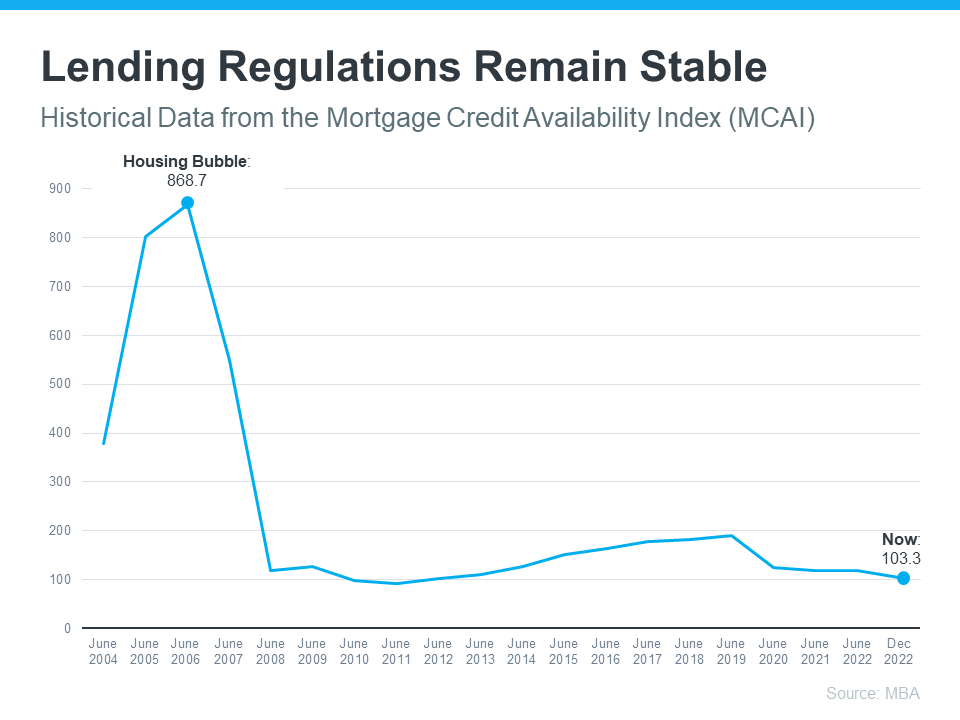
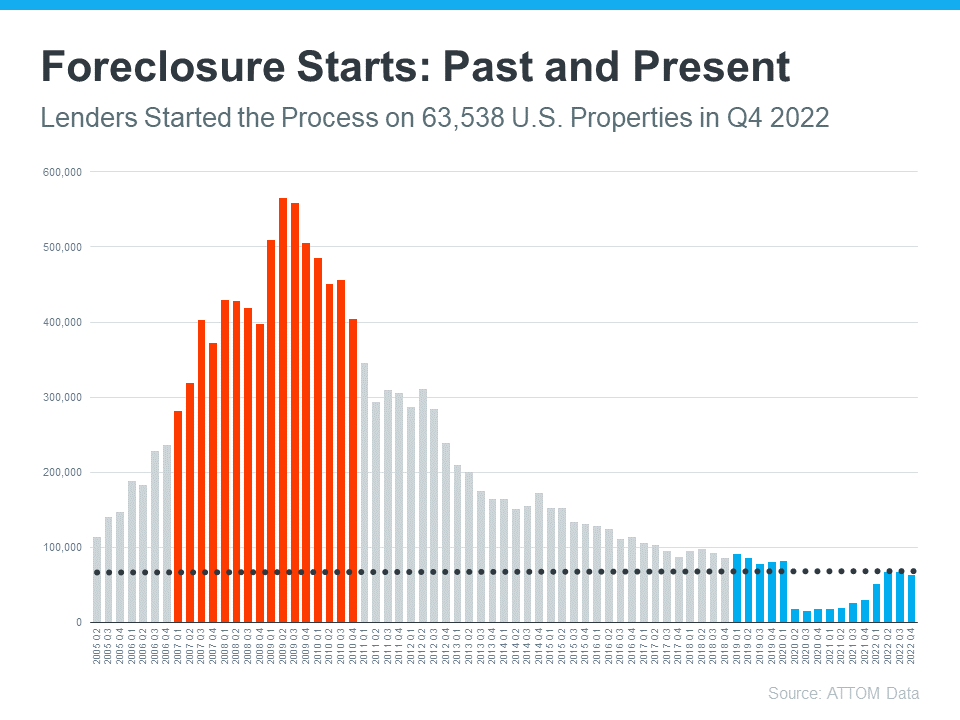
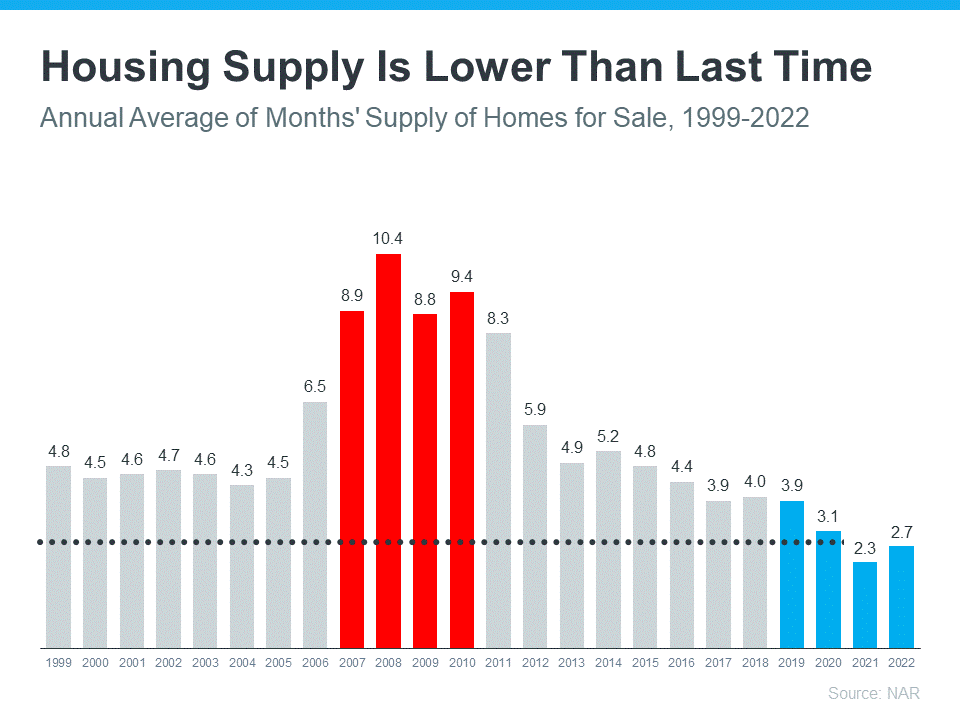
There’s no doubt today’s housing market is very different than the frenzied one from the past couple of years. In the second half of 2022, there was a dramatic shift in real estate, and it caused many people to make comparisons to the 2008 housing crisis. While there may be a few similarities, when looking at key variables now compared to the last housing cycle, there are significant differences.

In the latest Real Estate Forecast Summit, Lawrence Yun, Chief Economist at the National Association of Realtors (NAR), drew the comparisons below between today’s housing market and the previous cycle:

Today’s Housing Market Is Nothing Like 15 Years Ago | MyKCM

Looking at the facts, it’s clear: today is very different than the housing market of 15 years ago.

There’s Opportunity in Real Estate Today

And in today’s market, with inventory rising and less competition from other buyers, there’s opportunity right now. According to David Stevens, former Assistant Secretary of Housing:

“So be advised…this may be the one and only window for the next few years to get into a buyer’s market. And remember…as the Federal Reserve data shows…home prices only go up and always recover from recessions no matter how mild or severe. Long term homeowners should view this market…right now…as a unique buying opportunity.”

Bottom Line

Today’s housing market is nothing like the real estate market 15 years ago. If you’re a buyer right now, this may be the chance you’ve been waiting for.

Feb. 3, 2023

The Truth About Negative Home Equity Headlines In Connecticut


The Truth About Negative Home Equity Headlines In Connecticut

The Truth About Negative Home Equity Headlines | MyKCM

Home equity has been a hot topic in real estate news lately. And if you’ve been following along, you may have heard there’s a growing number of homeowners with negative equityBut don’t let those headlines scare you.

In truth, the headlines don’t give you all the information you really need to understand what’s happening and at what scale. Let’s break down one of the big equity stories you may be seeing in the news, and what’s actually taking place. That way, you’ll have the context you need to understand the big picture.

Headlines Focus on Short-Term Equity Numbers and Fail To Convey the Long-Term View

One piece of news circulating focuses on the percentage of homes purchased in 2022 that are currently underwater. The term underwater refers to a scenario where the homeowner owes more on the loan than the house is worth. This was a huge issue when the housing market crashed in 2008, but it much less significant today.

Media coverage right now is based loosely on a report from Black Knight, Inc. The actual report from that source says this:

Of all homes purchased with a mortgage in 2022, 8% are now at least marginally underwater and nearly 40% have less than 10% equity stakes in their home, . . .”

Let’s unpack that for a moment and provide the bigger picture. The data-bound report from Black Knight is talking specifically about homes purchased in 2022, but media headlines don’t always mention that timeframe or provide the surrounding context about how unusual of a year 2022 was for the housing market. In 2022, home price appreciation soared, and it reached its max around March-April. Since then, the rate of appreciation has been slowing down.

Homeowners who bought their house last year right at the peak or those who paid more than market value in the months that followed are more likely to fall into the category of being marginally underwater. The qualifier marginally is another key piece of the puzzle the media isn’t necessarily including in their coverage.

So, what does that mean for those who purchased a home in 2022? It’s important to remember, owning a home is a long-term investment, not a short-term play. When headlines focus on the short-term view, they’re not necessarily providing the full context.

Typically speaking, the longer you stay in your home, the more equity you gain as you pay down your loan and as home prices appreciate. With recent market conditions, you may not have gained significant equity right away if you owned the home for just a few months. But it’s also true that many homeowners who recently bought their house are unlikely to be looking to sell quite yet.

Bottom Line

As with everything, knowing the context is important. If you have questions about real estate headlines or about how much equity you have in your home, let’s connect.

Feb. 2, 2023

What Experts Are Saying About the 2023 Housing Market In Connecticut

What Experts Are Saying About the 2023 Housing Market In Connecticut

What Experts Are Saying About the 2023 Housing Market | MyKCM

If you’re thinking about buying or selling a home soon, you probably want to know what you can expect from the housing market this year. In 2022, the market underwent a major shift as economic uncertainty and higher mortgage rates reduced buyer demand, slowed the pace of home sales, and moderated home prices. But what about 2023?

An article from HousingWire offers this perspective:

“The red-hot housing market of the past 2 ½ years was characterized by sub-three percent mortgage rates, fast-paced bidding wars and record-low inventory. But more recently, market conditions have done an about-face. . . . now is the opportunity for everyone to become re-educated about what a ‘typical’ housing market looks like.”

This year, experts agree we may see the return of greater stability and predictability in the housing market if inflation continues to ease and mortgage rates stabilize. Here’s what they have to say.

The 2023 forecast from the National Association of Realtors (NAR) says:

While 2022 may be remembered as a year of housing volatility, 2023 likely will become a year of long-lost normalcy returning to the market, . . . mortgage rates are expected to stabilize while home sales and prices moderate after recent highs, . . .”

Danielle Hale, Chief Economist at realtor.comadds:

“. . . buyers will not face the extreme competition that was commonplace over the past few years.”

Lawrence Yun, Chief Economist at NAR, explains home prices will vary by local area, but will net neutral nationwide as the market continues to adjust:

After a big boom over the past two years, there will essentially be no change nationally . . . Half of the country may experience small price gains, while the other half may see slight price declines.”

Mark Fleming, Chief Economist at First American, says:

“The housing market, once adjusted to the new normal of higher mortgage rates, will benefit from continued strong demographic-driven demand relative to an overall, long-run shortage of supply.” 

Bottom Line

If you’re looking to buy or sell a home this year, the best way to ensure you’re up to date on the latest market insights is to partner with a trusted real estate advisor. Let’s connect.

Feb. 1, 2023

Buying a Home in a Fire Risk Area ? What You Need to Know In Connecticut

Buying a Home in a Fire Risk Area? What You Need to Know In Connecticut

Buying a home is a large financial responsibility for anyone. You are investing a large portion of your monthly income and most likely all or most of your savings, into the property. All homeownership comes with risks, but for anyone planning to purchase in an area at high risk for fire it becomes even more critical to properly protect your home.

First, how do you define "high risk" In some cases where the home is set near dry grass or heavily timbered areas, it may be easy to understand but some homeowners are shocked to learn they also are considered high risk by their insurance companies. Due to drought conditions, there are many locations that fall into "hotspots" that will require extra fire insurance. In California, some areas can only get fire insurance through the state itself.

Your mortgage company will also have concerns about the fire risk to the home and their liability in covering loss. While rarely will the location impact your ability to get a loan, the amount and cost of fire insurance homeowner insurance will be significantly higher than in other locations. The mortgage company will continue to require insurance that adequately covers the cost to rebuild and this can add thousands of extra dollars to your annual homeownership cost compared to less risky areas.

There is no reason to automatically reject a home you love in a high fire risk location but before falling in love, it's worth researching all the costs and risk associated with the purchase.


Jan. 31, 2023

3 Best Practices for Selling Your House This Year In Connecticut

3 Best Practices for Selling Your House This Year In Connecticut

3 Best Practices for Selling Your House This Year | MyKCM

A new year brings with it the opportunity for new experiences. If that resonates with you because you’re considering making a move, you’re likely juggling a mix of excitement over your next home and a sense of attachment to your current one.

A great way to ease some of those emotions and ensure you’re feeling confident in your decision is to keep these three best practices in mind.

1. Price Your Home Right

The housing market shifted in 2022 as mortgage rates rose, buyer demand eased, and the number of homes for sale grew. As a seller, you’ll want to recognize things are different now and price your house appropriately based on where the market is today. Greg McBride, Chief Financial Analyst at Bankrateexplains:

“Price your home realistically. This isn’t the housing market of April or May, so buyer traffic will be substantially slower, but appropriately priced homes are still selling quickly.”

If you price your house too high, you run the risk of deterring buyers. And if you go too low, you’re leaving money on the table. An experienced real estate agent can help determine what your ideal asking price should be.

2. Keep Your Emotions in Check

Today, homeowners are living in their houses longer. According to the National Association of Realtors (NAR), since 1985, the average time a homeowner has owned their home has increased from 5 to 10 years (see graph below):

3 Best Practices for Selling Your House This Year | MyKCM

This is several years longer than what used to be the historical norm. The side effect, however, is when you stay in one place for so long, you may get even more emotionally attached to your space. If it’s the first home you bought or the house where your loved ones grew up, it very likely means something extra special to you. Every room has memories, and it’s hard to detach from the sentimental value.

For some homeowners, that makes it even harder to negotiate and separate the emotional value of the house from fair market price. That’s why you need a real estate professional to help you with the negotiations along the way.

3. Stage Your Home Properly

While you may love your decor and how you’ve customized your home over the years, not all buyers will feel the same way about your design. That’s why it’s so important to make sure you focus on your home’s first impression so it appeals to as many buyers as possible. As NAR says:

“Staging is the art of preparing a home to appeal to the greatest number of potential buyers in your market. The right arrangements can move you into a higher price-point and help buyers fall in love the moment they walk through the door.”

Buyers want to envision themselves in the space so it truly feels like it could be their own. They need to see themselves inside with their furniture and keepsakes – not your pictures and decorations. A real estate professional can help you with tips to get your house ready to sell.

Bottom Line

If you’re considering selling your house, let’s connect so you have the help you need to navigate through the process while prioritizing these best practices.

Posted in CT Seller Tips
Jan. 27, 2023

Buying a New Construction Home? A Few Tips To Avoud Panic In Connecticut

Buying a New Construction Home? A Few Tips To Avoid Panic In Connecticut

A brand-new home! Who hasn't dreamed of creating the perfect home from scratch and moving into a space that no one has ever lived in before. There's something special about a fresh home, but remember, new doesn't mean perfect. And it certainly does not mean that there won't be imperfections small or large to contend with. 

One of the most important things to understand up front is what does your warranty cover? A builders warranty covers typical defects and other problems but the fine print outlines timelines, procedures and limitations. A thorough reading prior to closing will clarify how to handle any issues that arise when you move in.

When you are ready to move in your checklist will differ from a typical resale home. First always have an independent home inspection, just as you would if you purchased a used home. Alert the builder immediately of anything that the inspection uncovers. During the final walk-through, you will also want to make sure the home was completed correctly: are the light switches level, are the floors even, is the paint free from the nicks and scratches? You are buying a new home and it should look new.

Buying a new home is exciting. The good news is that most issues are minor and can be quickly corrected by the builder or home warranty company when discoverd. No need to panic when imperfections show up.

Jan. 26, 2023

Seller Concession Limits In Connecticut

Seller Concession Limits In Connecticut


The real estate market is shifting. In some areas of the country, it has flipped to a strong buyer's market. Sellers challenged by this change are looking for creative ways to attract buyers. In addition, buyers suddenly in the driver's seat are asking for more concessions from sellers than ever before.

Seller concessions are a useful tool in real estate. Used correctly, it can benefit both buyer and seller. For example, concessions can be offered in lieu of seller repairs or upgrades, saving out of pocket cash in an uncertain market. Buyers can also benefit from "financing" some of their own out-of-pocket costs for specified fees and chargers.

However, there are limits to what the lender will accept for seller concessions and understanding this ahead of time can save time and frustration. Here is a snapshot of the most common loan types and possibly allowed (always check with your lender)

Conventional (Fannie Mae/Freddie Mac):

  • 25% down payment - 9% concessions

  • 10-25% down payment - 6% concessions

  • <10% down payment  -3% concessions

FHA :

  • 6% maximum concessions 

VA:

  • 4% closing costs concession

USDA:

USDA allows the seller to pay all the closing costs and prepaid for the buyer with no percentage limit. Other restrictions and considerations apply, so speak with your lender.

Seller concessions are a great way to save cash on both sides. Used properly, it can be a great tool to put real estate transactions together in a challenging market.


Jan. 26, 2023

Wondering How Much You Need To Save for a Down Payment In Connecticut

Wondering How Much You Need To Save for a Down Payment In Connecticut 

Wondering How Much You Need To Save for a Down Payment? | MyKCM

If you’re getting ready to buy your first home, you’re likely focused on saving up for everything that purchase involves. One cost that’s likely top of mind is your down payment. But don't let a common misconception about how much you need to save make the process harder than it could be.

Understand 20% Isn’t Always the Typical Down Payment

Freddie Mac explains:

“. . . nearly a third of prospective homebuyers think they need a down payment of 20% or more to buy a home. This myth remains one of the largest perceived barriers to achieving homeownership.

Unless specified by your loan type or lender, it’s typically not required to put 20% down. This means you could be closer to your homebuying dream than you realize. According to the National Association of Realtors (NAR), the median down payment hasn’t been over 20% since 2005. In fact, the median down payment today is only 14%. And it’s even lower for first-time homebuyers at just 6% (see graph below):

Wondering How Much You Need To Save for a Down Payment? | MyKCM

Learn About Options That Can Help You Toward Your Goal

If saving for a down payment still feels like a challenge, know that there’s help available. A real estate professional and trusted lender can show you options that could help you get closer to your down payment goal. According to latest Homeownership Program Index from Down Payment Resource, there are over 2,000 homebuyer assistance programs in the U.S., and the majority are intended to help with down payments.

Plus there are even loan types, like FHA loans, with down payments as low as 3.5%, as well as options like VA loans and USDA loans with no down payment requirements for qualified applicants.

To understand your options, be sure to do your homework. If you’re interested in learning more about down payment assistance programs, information is available through sites like Down Payment Resource. Then, partner with a trusted lender to learn what you qualify for on your homebuying journey.

Bottom Line

Remember, a 20% down payment isn’t always required. If you want to purchase a home this year, let’s connect. You’ll also want to make sure you have a trusted lender so you can explore your down payment options.

Jan. 25, 2023

What Are Your Goals in the Housing Market This Year In Connecticut

What Are Your Goals in the Housing Market This Year In Connecticut

What Are Your Goals in the Housing Market This Year? | MyKCM

If buying or selling a home is part of your dreams for 2023, it’s essential for you to understand today’s housing market, define your goals, and work with industry experts to bring your homeownership vision for the new year into focus.

In the last year, high inflation had a big impact on the economy, the housing market, and likely on your wallet too. That’s why it’s critical to have a clear understanding of not just the market today, but also what you want out of it when you buy or sell a home. Danielle Hale, Chief Economist at realtor.comexplains:

The key to making a good decision in this challenging housing market is to be laser focused on what you need now and in the years ahead, so that you can stay in your home long enough that buying is a sound financial decision.

Here are a few questions you can start thinking through as you fine tune your goals for 2023.

1. What’s Motivating You?

You’re dreaming about making a move for a reason – what is it? No matter what’s happening in the market, there are still many compelling reasons to buy a home today. Your needs may have changed in a way your current house can’t address, or you could be ready to step into homeownership for the first time and have a space that’s truly your own. Use what’s motivating you as a guidepost in partnership with an expert advisor to help make sure your move will give you a lasting sense of accomplishment.

2. What Does Your Next Home Look Like?

You know you want to move, but how would you describe your dream home? The available supply of homes for sale has grown, and that could mean more options to choose from when you buy. Just be sure to keep your budget in mind and work with a trusted real estate professional to balance your wants and needs. The better you understand what’s essential and where you can be flexible, the easier it can be to find the home that’s right for you.

3. How Ready Are You To Buy?

Getting clear on your budget and savings is essential before you get too far into the process. Working with a local agent and a lender early is the best way to make sure you’re in a good position to buy. This could include planning how much to save for a down payment, getting pre-approved for a home loan, and assessing your current home equity if your move involves selling your existing house.

A Professional Will Guide You Through Every Step of the Process

Buying or selling a home is a big process that takes expertise to navigate. If that feels a bit overwhelming, you aren’t alone. According to a recent Harris Poll survey, one in five respondents see a lack of information or knowledge about the homebuying process as a barrier from owning a home. Don’t let uncertainty hold you back from your goals this year. A trusted expert can bridge that gap and give you the best advice and information about today’s market.

Bottom Line

Let’s connect to plan how your dreams for 2023 can become a reality.