Jan. 10, 2023

Homeowners Still Have Postive Equity Gains over the Past 12 Months In Connecticut

Homeowners Still Have Positive Equity Gains over the Past 12 Months In Connecticut

Homeowners Still Have Positive Equity Gains over the Past 12 Months | MyKCM

If you’re a homeowner, your net worth got a big boost over the past few years thanks to rapidly rising home prices. Here’s how it happened and what it means for you, even as the market moderates.

Equity is the current value of your home minus what you owe on the loan.

Because there was a significant imbalance between the number of homes available for sale and the number of buyers looking to make a purchase over the past few years, home prices appreciated substantially.

And while home price appreciation has moderated this year, and even depreciated slightly in some overheated markets, that doesn’t mean you’ve lost all the equity you gained during the pandemic frenzy.

To prove you still have equity you can use, the latest Homeowner Equity Insights from CoreLogic finds the average homeowner equity has actually grown by $34,300 over the past 12 months.

That’s right, despite the headlines, the average homeowner still gained positive equity over the last year in just about every market. While the gains aren’t as dramatic as they were in the previous quarter due to home price moderation, they’re still significant. And if you’ve been in your home for longer than a year, chances are you have even more equity than you realize.

While that’s the national number, if you want to know what happened over the past year in your area, look at the map below from CoreLogic:

Homeowners Still Have Positive Equity Gains over the Past 12 Months | MyKCM

Why This Is So Important Right Now

While equity helps increase your overall net worth, it can also help you achieve other goals, like buying your next home. When you sell your current house, the equity you’ve built up comes back to you in the sale, and it may be just what you need to cover a large portion – if not all – of the down payment on your next home.

So, if you’ve been holding off on selling because you weren’t sure what the headlines meant for your bottom line, rest assured you’ve still gained equity in recent years, and it can help fuel your move.

Bottom Line

If you’re planning to make a move, the equity you’ve gained over time can make a big impact. To find out just how much equity you have in your current home and how you can use it to fuel your next purchase, let’s connect.

Jan. 9, 2023

Mortgage Rates Are Dropping. What Does That Mean for You In Connecticut

Mortgage Rates Are Dropping. What Does That Mean for You In Connecticut

Mortgage Rates Are Dropping. What Does That Mean for You? | MyKCM

Mortgage rates have been a hot topic in the housing market over the past 12 months. Compared to the beginning of 2022, rates have risen dramatically. Now they’re dropping, and that has to do with everything happening in the economy.

Nadia Evangelou, Senior Economist and Director of Forecasting at the National Association of Realtors (NAR), explains it well by saying:

Mortgage rates dropped even further this week as two main factors affecting today's mortgage market became more favorable. Inflation continued to ease while the Federal Reserve switched to a smaller interest rate hike. As a result, according to Freddie Mac, the 30-year fixed mortgage rate fell to 6.31% from 6.33% the previous week.”

So, what does that mean for your homeownership plans? As mortgage rates fluctuate, they impact your purchasing power by influencing the cost of buying a home. Even a small dip can help boost your purchasing power. Here’s how it works.

The median-priced home according to the National Association of Realtors (NAR) is $379,100. So, let’s assume you want to buy a $400,000 home. If you’re trying to shop at that price point and keep your monthly payment about $2,500-2,600 or below, here’s how your purchasing power can change as mortgage rates move up or down (see chart below). The red shows payments above that threshold and the green indicates a payment within your target range.

Mortgage Rates Are Dropping. What Does That Mean for You? | MyKCM

This goes to show, even a small quarter-point change in mortgage rates can impact your monthly mortgage payment. That’s why it’s important to work with a trusted real estate professional who follows what the experts are projecting for mortgage rates for the days, months, and year ahead.

Bottom Line

Mortgage rates are likely to fluctuate depending on what happens with inflation moving forward, but they have dropped slightly in recent weeks. If a 7% rate was too high for you, it may be time to contact a lender to see if the current rate is more in line with your goal for a monthly housing expense.

Jan. 5, 2023

The Cost Of Living In Wolcott, Connecticut

Are you thinking of living in Wolcott, Connecticut and you're looking for someone to give you the bottom line of what it's really going to cost you? In this episode of CT Life, I’m going to break down the cost of living right here in Wolcott. We’ll explore everything from the cost of housing to taxes so you know exactly what to expect.

I work with people who move in, out of, and around Wolcott all the time—and the cost of living is one of the top questions I get asked. So if you were wondering about the cost of living here, I’m going to give you some bottom-line numbers. You'll probably also learn a few things about some of our local costs as well. If you're not familiar with Connecticut and the area in general, you'll definitely appreciate this.


Home Prices

First, let's talk about the obvious and my favorite: the cost of housing. One of the first things you're going to need to decide is if it’s better to buy or rent here. If you're buying, what kind of house do you need? Are you looking for a condo, a single-family home, or a multifamily? The price of housing varies depending on your answer to these questions.

If you have any specific questions, we can send you more detailed information. To get started, here are some general pointers. The average three-bedroom single-family house in Wolcott is roughly $338,000. For this price, you can expect seven rooms, three bedrooms, two bathrooms, and an average of 42 days on market. The house should have 1,746 square feet.

A two-bedroom in the area would run roughly $246,000. For this price, you could expect 1,200 square feet, five rooms, two bathrooms, and 61 days on market. The average two-bedroom condo here in Wolcott runs roughly $216,000. For this price, you can expect 1,498 square feet, five rooms, two bathrooms, and 43 days on market.

Lastly, the average rental here in Wolcott is rather expensive at $1,698. Property taxes in the area vary, but the current mill rate is a very affordable 33.14.

Income Tax

Now that you have an idea of the cost of living in terms of housing, let's go over some other costs of living right here in Wolcott. In Connecticut, you have to pay state income tax—and it’s relatively high compared to some of the states in the US.

The annual state income tax rate here is 3% on the first $10,000. Then, it goes to 5% on all taxable income from $10,000 to $50,000. After that, it jumps to 5.5% from $50,000 to $100,000. Finally, it goes to 6% on all your income from $100,000 to $200,000.

Gas And Property Taxes

Gas here in Connecticut is currently averaging about $3.75 a gallon. You will definitely need a car in Wolcott. It’s also good to know that while Connecticut in general is one of the most expensive gas prices in the country consistently, Wolcott does have some large gas stations to help get the price down. These are typically cheaper than the smaller gas stations.

We do have some other costs most people don't expect here. This includes things like an annual property tax on your car. We also have sales tax on goods and, if you sell a house in Connecticut, you have to pay conveyance tax.

Affordable Living In Wolcott

I hope this video gave you some insight into the cost of living here in Wolcott, Connecticut. If you have any additional questions about Wolcott or Connecticut in general, don't hesitate to reach out and ask. We help people all the time move around and relocate here, and we’d be happy to help you, too.

If you want to receive more videos focused on everything Wolcott and Connecticut in general, make sure you subscribe to my channel so you never miss an episode of CT Life. Be sure to leave a comment below about what you thought and where you'd like to see us cover next!

Jan. 5, 2023

Small Changes That Make Any Room Cozier In Connecticut

Small Changes That Make Any Room Cozier In Connecticut

In previous decades a warm, cozy home required dark colors and heavy materials. One can envision sitting in front of a roaring fire in a dark room filled with pillows and wood paneling. Contemporary homes are brighter, with clean lines and light colors and textures. The challenge is how to create an inviting, cozy space that everyone wants during the cooler months. Fortunately, it's not necessary to choose between the claustrophobic styles of the past and warm inviting rooms.

The first tip is lighting. Soften the lighting and consider swapping cold, metal fixtures for ones using natural materials, such as willow or linen. Next layer blankets throughout the home. Imagine the luxury of falling into a soft bed with layers of cozy white blankets and quilts. Neutral colors gain dimension by contrasting subtle hues of the same palate.

We change our lifestyle during colder months as well. Lifestyle from our outdoor spaces to interior rooms. Create a warm beverage station to invite guests and family members to relax and unwind. Add pillows to sitting areas to build comfort in living rooms. Finally add scent to the home. Candlelight not only sets a relaxing mood but fills the space with soothing smells of the season.

Cozy, inviting spaces do not have to mean dark colors and heavy materials. Layering is the easiest way to create a softer warmer room. Combine this with a few seasonal candels and touches, and any room can be oozier this weekend with only a few small changes

Jan. 4, 2023

How to Use Comps to Price Your Home Correctly In Connecticut

How to Use Comps to Price Your Home Correctly In Connecticut

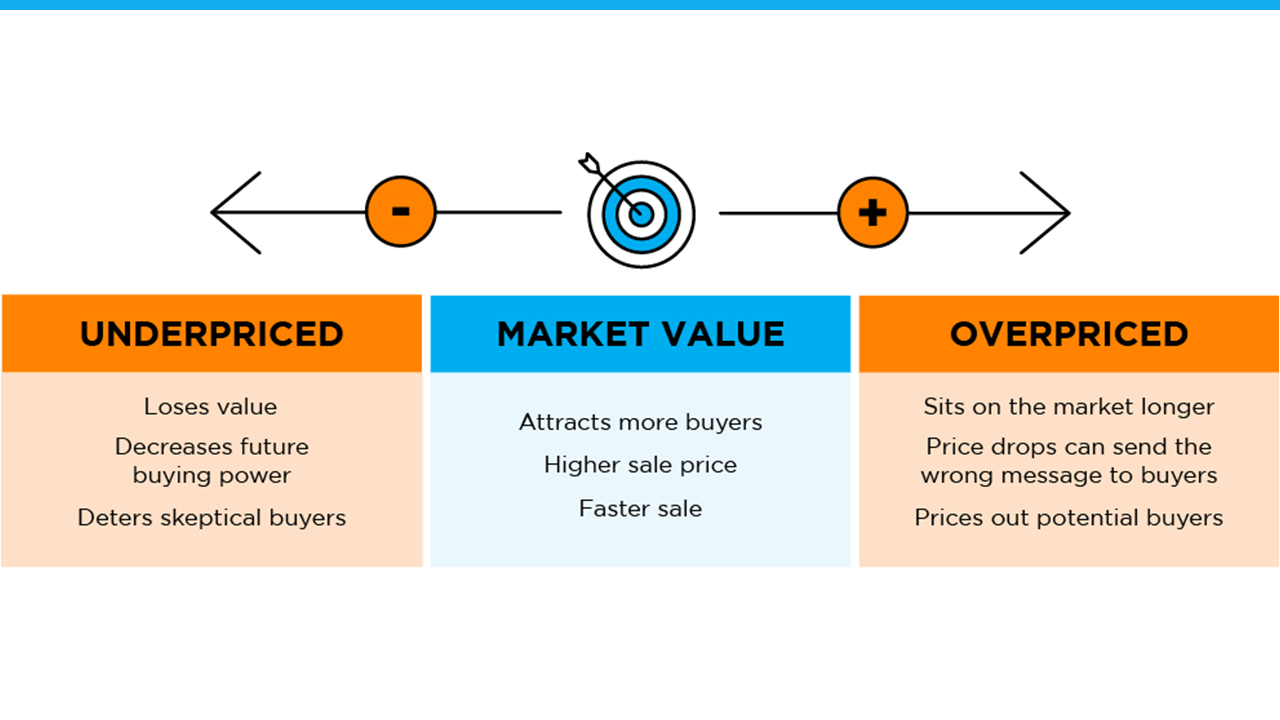
The most important aspect of listing your home for sales is the asking price. Unlike many other items we purchase. Home prices are based on what a willing and able buyer would pay for the property. Sounds complicated, right? This is why real estate agents bring comps (short for comparable properties) information with them to the discussion.Yet are you using the right comps to successfully sell your home?

The idea is to gather information about comparable properties that have sold recently that are similar to your own. The goal is to compare to app;es to apples. In other words, the properties should be as close to the subject home as possible. This includes things like:

  • Location - how far is the property from yours.
  • Size - square footage is an important aspect of value.
  • Number of bedrooms/bathrooms - even if the square footage is close, the number of bedrooms and bathrooms can have a large effect on price.
  • Style, view, street yard - even the exact same floor plan can have vastly different values based on the street it's on or the view. Size of the yard and privacy are also critical components of value.
  • Amenities - private or community pools and other amenities can affect value as well.

Your agent will bring recent sales for homes that compare to yours. As you look through these listings, you can add or subtract values  based on the differences. This is the same process an appraiser will use to approve the loan. While this is more of an art than a science the right comps can help you properly price your home for a smooth sale.


Jan. 2, 2023

Planning to Retire? It Could Be Time To Make a Move In Connecticut

Planning to Retire? It Could Be Time To Make a Move In Connecticut

Planning to Retire? It Could Be Time To Make a Move. | MyKCM

If you’re thinking about retirement or have already retired this year, you may be planning your next steps. One of your goals could be selling your house and finding a home that more closely fits your needs.

Fortunately, you may be in a better position to make a move than you realize. Here are a few things to think about when making that decision.

Consider How Long You’ve Been in Your Home

From 1985 to 2008, the average length of time homeowners typically stayed in their homes was only six years. But according to the National Association of Realtors (NAR), that number is rising today, meaning many homeowners are living in their houses even longer (see graph below):

Planning to Retire? It Could Be Time To Make a Move. | MyKCM

When you live in a home for a significant period of time, it’s natural for you to experience a number of changes in your life while you’re in that house. As those life changes and milestones happen, your needs may change. And if your current home no longer meets them, you may have better options waiting for you.

Consider the Equity You’ve Gained

Additionally, if you’ve been in your home for more than a few years, you’ve likely built up significant equity that can fuel your next move. That’s because the longer you’ve been in your home, the more likely it’s grown in value due to home price appreciation. Data from the Federal Housing Finance Agency (FHFA) illustrates that point (see graph below):

Planning to Retire? It Could Be Time To Make a Move. | MyKCM

While home price growth varies by state and local area, the national average shows the typical homeowner who’s been in their house for five years saw it increase in value by over 50%. And the average homeowner who’s owned their home for 30 years saw it almost triple in value over that time.

Consider Your Retirement Goals

Whether you’re looking to downsize, relocate to a dream destination, or move so you live closer to loved ones, that equity can help you achieve your homeownership goals. NAR shares that for recent home sellers, the primary reason to move was to be closer to loved ones. Plus, retirement played a large role for those moving greater distances.

Whatever your home goals are, a trusted real estate advisor can work with you to find the best option. They’ll help you sell your current house and guide you as you buy the home that’s right for you and your lifestyle today.

Bottom Line

Retirement can bring about major changes in your life, including what you need from your home. Let’s connect to explore your opportunities in our local market.

Jan. 2, 2023

You May Have More Negotiation Power When You Buy a Home Today In Connecticut

You May Have More Negotiation Power When You Buy a Home Today In Connecticut

You May Have More Negotiation Power When You Buy a Home Today | MyKCM

Did the frequency and intensity of bidding wars over the past two years make you put your home search on hold? If so, you should know the hyper competitive market has cooled this year as buyer demand has moderated and housing supply has grown. Those two factors combined mean you may see less competition from other buyers.

And with less competition comes more opportunity. Here are two trends that may be the news you need to reenter the market.

1. The Return of Contingencies

Over the last two years, more buyers were willing to skip important steps in the homebuying process, like the appraisal or the inspection, in hopes of gaining an advantage in a bidding war.  But now, things are different.

The latest data from the National Association of Realtors (NAR) shows the percentage of buyers waiving their home inspection or appraisal is down. And a recent article from realtor.com points out more sellers are accepting contingencies:

“A year ago, sellers were calling all the shots and buyers were launching legendary bidding wars, waiving contingencies, and paying for homes in cash. But now, the shoe is on the other foot, and 92% of home sellers are accepting some buyer-friendly terms (frequently related to home inspections, financing, or appraisals), . . .”

This doesn’t mean we’re in a buyers’ market now, but it does mean you have a bit more leverage when it comes time to negotiate with a seller. The days of feeling like you may need to waive contingencies or pay drastically over asking price to get your offer considered may be coming to a close.

2. Sellers Are More Willing To Help with Closing Costs

Before the pandemic, it was a common negotiation tactic for sellers to cover some of the buyer’s closing costs to sweeten the deal. This didn’t happen as much during the peak buyer frenzy over the past two years.

Today, data suggests this is making a comeback. A realtor.com survey shows 32% of sellers paid some or all of their buyer’s closing costs. This may be a negotiation tool you’ll see as you go to purchase a home. Just keep in mind, limits on closing cost credits are set by your lender and can vary by state and loan type. Work closely with your loan advisor to understand how much a seller can contribute to closing costs in your area.

Bottom Line

Despite the extremely competitive housing market of the past several years, today’s data suggests negotiations are starting to come back to the table. To find out how the market is shifting in our area, let’s connect today.

Dec. 30, 2022

Tips for Buying Land for a Tinyf or Prefab Home In Connecticut

Tips for Buying Land for a Tiny or Prefab Home In Connecticut


Prefabricated homes have become very popular in recent years as more and more people look for creative ways to build their home environment. These homes can take the form of a tiny house, manufactured home or Airstream. The demand for vacant land has increased exponentially over the past few years.

Yet, finding the right piece of property involves more than remote driveways and beautiful views. Not all land can accommodate full-time or even part-time living. There are important considerations to buying the right. property and ensure a healthy, practical lifestyle.

Zoning and Setback Requirements - Not all vacant land can be developed. Even the placement of semi-permanent structures such as a trailer, may not be allowed. The first step in a land purchase is to check the zoning laws governing the property. Then determine the type of power needed to manage your needs.

Sewer, Septic, Water - Consider the option of city sewer and water. If the property is in a remote rural area, then needs will need to be supplied by septic systems and wells. Do not assume the availability of these essential services.


Finally, how will you access the home site? The hilltop view might be spectacular, but if it's difficult to access year-round it may not be practical for full-time living.

Dec. 30, 2022

Applying For a Mortgage? Here's What You Should Avoid Once You Do In Connecivut

Applying For a Mortgage? Here’s What You Should Avoid Once You Do.

Applying For a Mortgage? Here’s What You Should Avoid Once You Do. | MyKCM

While it’s exciting to start thinking about moving in and decorating after you’ve applied for your mortgage, there are some key things to keep in mind before you close. Here’s a list of things you may not realize you need to avoid after applying for your home loan.

Don’t Deposit Large Sums of Cash

Lenders need to source your money, and cash isn’t easily traceable. Before you deposit any amount of cash into your accounts, discuss the proper way to document your transactions with your loan officer.

Don’t Make Any Large Purchases

It’s not just home-related purchases that could disqualify you from your loan. Any large purchases can be red flags for lenders. People with new debt have higher debt-to-income ratios (how much debt you have compared to your monthly income). Since higher ratios make for riskier loans, borrowers may no longer qualify for their mortgage. Resist the temptation to make any large purchases, even for furniture or appliances.

Don’t Cosign Loans for Anyone

When you cosign for a loan, you’re making yourself accountable for that loan’s success and repayment. With that obligation comes higher debt-to-income ratios as well. Even if you promise you won’t be the one making the payments, your lender will have to count the payments against you.

Don’t Switch Bank Accounts

Lenders need to source and track your assets. That task is much easier when there’s consistency among your accounts. Before you transfer any money, speak with your loan officer.

Don’t Apply for New Credit

It doesn’t matter whether it’s a new credit card or a new car, when you have your credit report run by organizations in multiple financial channels (mortgage, credit card, auto, etc.), it will have an impact on your FICO® score. Lower credit scores can determine your interest rate and possibly even your eligibility for approval.

Don’t Close Any Accounts

Many buyers believe having less available credit makes them less risky and more likely to be approved. This isn’t true. A major component of your score is your length and depth of credit history (as opposed to just your payment history) and your total usage of credit as a percentage of available credit. Closing accounts has a negative impact on both of those aspects of your score.

Do Discuss Changes with Your Lender

Be upfront about any changes that occur or you’re expecting to occur when talking with your lender. Blips in income, assets or credit should be reviewed and executed in a way that ensures your home loan can still be approved. If your job or employment status has changed recently, share that with your lender as well. Ultimately, it’s best to fully disclose and discuss your intentions with your loan officer before you do anything financial in nature.

Bottom Line

You want your home purchase to go as smoothly as possible. Remember, before you make any large purchases, move your money around, or make major life changes, be sure to consult your lender – someone who’s qualified to explain how your financial decisions may impact your home loan.

Dec. 29, 2022

Ready To Sell? Today's Housing Supply Gives You Opportunities In Connecticut

Ready To Sell? Today’s Housing Supply Gives You Two Opportunities In Connecticut

Ready To Sell? Today’s Housing Supply Gives You Two Opportunities. | MyKCM

At first glance, the increase in housing supply compared to last year may not sound like good news for prospective sellers, but it actually gives you two key opportunities in today’s housing market.

An article from Calculated Risk helps put the inventory gains the market has seen in 2022 into perspective by comparing it to recent years (see graph below). It shows supply has surpassed 2021 levels by 58%. But the further back you look, the more you’ll understand the bigger picture. And if you go all the way back to 2019, the last normal year in real estate, we’re roughly 35% below the housing supply we had at that time.

Ready To Sell? Today’s Housing Supply Gives You Two Opportunities. | MyKCM

Opportunity #1: Take Advantage of More Options for Your Move

If your current house no longer meets your needs or lacks the space and features you want, this inventory growth gives you even more opportunity to sell and move into the home of your dreams. With more houses on the market, you’ll have more to choose from when you search for your next home.

Partnering with a local real estate professional can help you make sure you’re up to date on the homes available in your area. And when you do find the one, a professional can advise you on how to write a winning offer.

Opportunity #2: Sell While Inventory Is Still Low Overall

But again, despite the growth, inventory is still low compared to more normal years, and that isn’t going to change overnight. For you, that means your house should still be in demand among potential buyers if you price it right.

As an article from realtor.com says:

“Today’s shoppers generally have more homes to consider than last year’s shoppers did, but the market is still not back to pre-pandemic inventory levels.”

Bottom Line

If you’re a homeowner looking to sell, you have more homes to choose from and can still sell your house while inventory is low overall. Let’s connect to get started, so you can have the best of both worlds.