July 22, 2022

Homeownership Is a Great Hedge Against the Impact of Rising Inflation In Connecticut
Homeownership Is a Great Hedge Against the Impact of Rising Inflation In Connecticut

Homeownership Is a Great Hedge Against the Impact of Rising Inflation | MyKCM

If you’re following along with the news today, you’ve heard about rising inflation. Today, inflation is at a 40-year high. According to the National Association of Home Builders (NAHB):

“Consumer prices accelerated again in May as shelter, energy and food prices continued to surge at the fastest pace in decades. This marked the third straight month for inflation above an 8% rate and was the largest year-over-year gain since December 1981.”

With inflation rising, you’re likely feeling it impact your day-to-day life as prices go up for gas, groceries, and more. These climbing consumer costs can put a pinch on your wallet and make you re-evaluate any big purchases you have planned to ensure they’re still worthwhile.

If you’ve been thinking about purchasing a home this year, you’re probably wondering if you should continue down that path or if it makes more sense to wait. While the answer depends on your situation, here’s how homeownership can help you combat the rising costs that come with inflation.

Homeownership Helps You Stabilize One of Your Biggest Monthly Expenses

Investopedia explains that during a period of high inflation, prices rise across the board. That’s true for things like food, entertainment, and other goods and services, even housing. Both rental prices and home prices are on the rise. So, as a buyer, how can you protect yourself from increasing costs? The answer lies in homeownership.

Buying a home allows you to stabilize what’s typically your biggest monthly expense: your housing cost. When you have a fixed-rate mortgage on your home, you lock in your monthly payment for the duration of your loan, often 15 to 30 years. James Royal, Senior Wealth Management Reporter at Bankratesays:

A fixed-rate mortgage allows you to maintain the biggest portion of housing expenses at the same payment. Sure, property taxes will rise and other expenses may creep up, but your monthly housing payment remains the same. That’s certainly not the case if you’re renting.”

So even if other prices increase, your housing payment will be a reliable amount that can help keep your budget in check. If you rent, you don’t have that same benefit, and you won’t be protected from rising housing costs.

Investing in an Asset That Historically Outperforms Inflation

While it’s true rising home prices and higher mortgage rates mean that buying a house today costs more than it did even a few months ago, you still have an opportunity to set yourself up for a long-term win. That’s because, in inflationary times, you want to be invested in an asset that outperforms inflation and typically holds or grows in value.

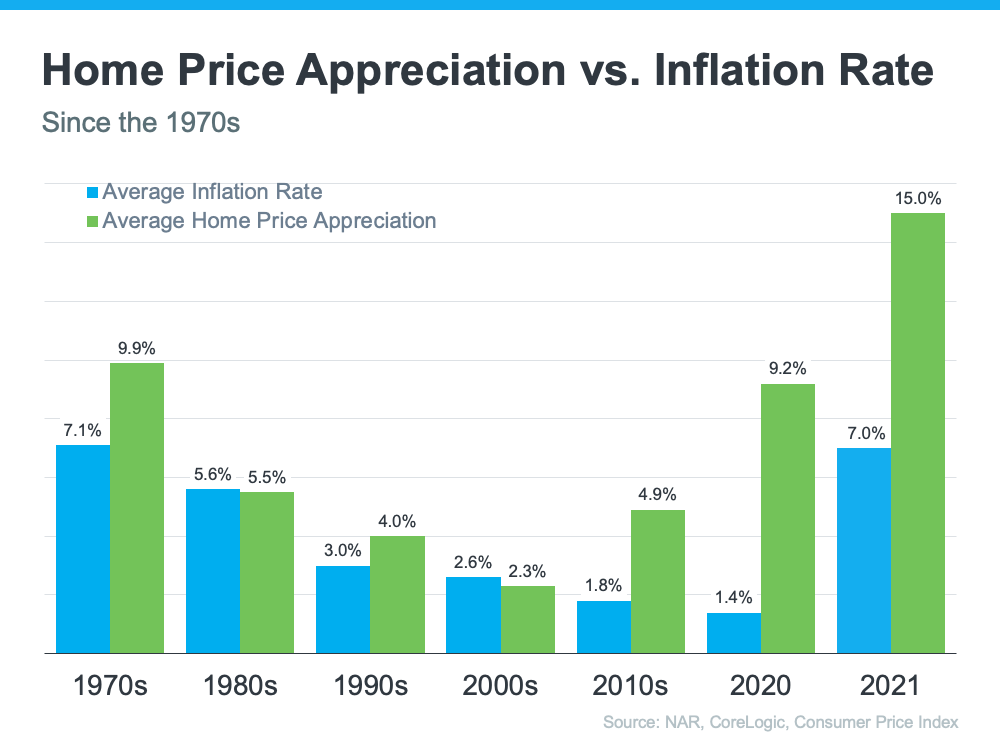
The graph below shows how the average home price appreciation outperformed the average inflation rate in most decades going all the way back to the seventies – making homeownership a historically strong hedge against inflation (see graph below):
Homeownership Is a Great Hedge Against the Impact of Rising Inflation | MyKCM

So, what does that mean for you? Today, experts forecast home prices will only go up from here thanks to the ongoing imbalance of supply and demand. Once you buy a house, any home price appreciation that does occur will grow your equity and your net worth. And since homes are typically assets that grow in value, you have peace of mind that history shows your investment is a strong one.

That means, if you’re ready and able, it makes sense to buy today before prices rise further.

Bottom Line

If you’ve been thinking about buying a home this year, it makes sense to act soon, even with inflation rising. That way you can stabilize your monthly housing cost and invest in an asset that historically outperforms inflation. If you’re ready to get started, let’s connect so you have expert advice on your specific situation when you’re ready to buy a home.


July 21, 2022

Weekend Project - Organize Your Kitchen Pantry In Connecticut

Weekend Project - Organize Your Kitchen Pantry In Connecticut

The kitchen pantry is one of those areas that can quickly become a mess. Older cans and boxes keep getting pushed to the back and forgotten. How many of us have found cans of green beans dating back a decade or two during a spring cleaning? Or a box of crackers that went stale because you forgot (or didn't know) it was opened?

If you have a free weekend and are looking for a satisfying project, consider a pantry clean-out and reorganization. It'll eliminate some stress if you can actually see the groceries and supplies you have, and make sure they're fresh! Here are a few quick ways to bring order to your food pantry.

1. Use Clear Storage Container - Using clear and stackable storage containers with simple labels will not make it easy to see the food but save valable space as well and keep the food fresher longer.

2. Use the Door Space - A great use of the pantry door is to add a storage rack to the door itself, set shelves and baskets to corral spices and favorite snacks, or smaller items that can get lost. 

3. Chalkboard Lists - Another great use for the inside of the pantry door, or an area near the pantry, is to use chalkboard paint to create a place to keep lists. Use this chalkboard to keep track of items you need as you use them, or to keep an inventory of what you have in the pantry so it gets used before it expires.

4. Sort the Items - Organize your pantry by use. For example, keep baking supplies together to allow for easy access when you want to make cookies, or organize all the kid's snacks on a shelf that's within their reach (or out of reach, if it's treats!)

5. Keep Things Well-Kit - Finally, don't neglect the lighting in your pantry. If you have an area which has become a "black hole," add lighting, either wired or battery, to help make sure you can see what's back there.

A well-organized pantry is just weekend away and will make cooking and grocery shopping much easier

July 20, 2022

Things To Avoid After Applying for a Home Loan In Connecticut

Things To Avoid After Applying for a Home Loan

Things To Avoid After Applying for a Home Loan | MyKCM

Once you’ve applied for a mortgage to buy a home, there are some key things to keep in mind. While it’s exciting to start thinking about moving in and decorating, be careful when it comes to making any big purchases. Here are a few things you may not realize you need to avoid after applying for your home loan.

Don’t Deposit Large Sums of Cash

Lenders need to source your money, and cash isn’t easily traceable. Before you deposit any amount of cash into your accounts, discuss the proper way to document your transactions with your loan officer.

Don’t Make Any Large Purchases

It’s not just home-related purchases that could disqualify you from your loan. Any large purchases can be red flags for lenders. People with new debt have higher debt-to-income ratios (how much debt you have compared to your monthly income). Since higher ratios make for riskier loans, borrowers may no longer qualify for their mortgage. Resist the temptation to make any large purchases, even for furniture or appliances.

Don’t Co-Sign Loans for Anyone

When you co-sign for a loan, you’re making yourself accountable for that loan’s success and repayment. With that obligation comes higher debt-to-income ratios as well. Even if you promise you won’t be the one making the payments, your lender will have to count the payments against you.

Don’t Switch Bank Accounts

Lenders need to source and track your assets. That task is much easier when there’s consistency among your accounts. Before you transfer any money, speak with your loan officer.

Don’t Apply for New Credit

It doesn’t matter whether it’s a new credit card or a new car. When you have your credit report run by organizations in multiple financial channels (mortgage, credit card, auto, etc.), it will have an impact on your FICO® score. Lower credit scores can determine your mortgage interest rate and possibly even your eligibility for approval.

Don’t Close Any Accounts

Many buyers believe having less available credit makes them less risky and more likely to be approved. This isn’t true. A major component of your score is your length and depth of credit history (as opposed to just your payment history) and your total usage of credit as a percentage of available credit. Closing accounts has a negative impact on both of those aspects of your score.

In Short, Consult an Expert

To sum it up, be upfront about any changes when talking with your lender. Blips in income, assets, or credit should be reviewed and executed in a way that ensures your home loan can still be approved. If your job or employment status has changed recently, share that with your lender as well. Ultimately, it’s best to fully disclose and discuss your intentions with your loan officer before you do anything financial in nature.

Bottom Line

You want your home purchase to go as smoothly as possible. Remember, before you make any large purchases, move your money around, or make any major life changes, be sure to consult your lender – someone who’s qualified to explain how your financial decisions may impact your home loan.

July 19, 2022

The Average Homeowner Gained $64K in Equity over the Past Year In Connecticut

The Average Homeowner Gained $64K in Equity over the Past Year In Connecticut 

The Average Homeowner Gained $64K in Equity over the Past Year | MyKCM

If you own a home, your net worth likely just got a big boost thanks to rising home equity. Equity is the current value of your home minus what you owe on the loan. And today, based on recent home price appreciation, you’re building that equity far faster than you may expect – here’s how it works.

Because there’s an ongoing imbalance between the number of homes available for sale and the number of buyers looking to make a purchase, home prices are on the rise. That means your home is worth more in today’s market because it’s in high demand. As Patrick Dodd, President and CEO of CoreLogicexplains:

“Price growth is the key ingredient for the creation of home equity wealth. . . . This has led to the largest one-year gain in average home equity wealth for owners. . . .”

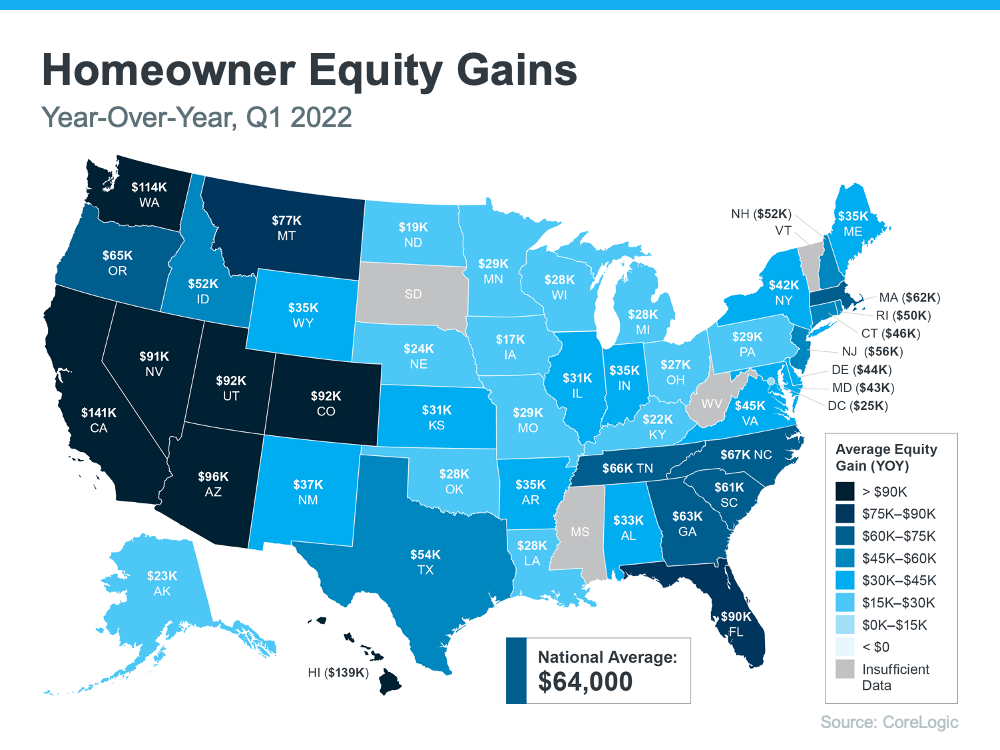
Basically, because your home value has likely climbed so much, your equity has increased too. According to the latest Homeowner Equity Insights from CoreLogicthe average homeowner’s equity has grown by $64,000 over the last 12 months.

While that’s the nationwide number, if you want to know what’s happening in your area, look at the map below. It breaks down the average year-over-year equity growth for each state using the data from CoreLogic.

The Average Homeowner Gained $64K in Equity over the Past Year | MyKCM

The Opportunity Your Rising Home Equity Provides

In addition to building your overall net worth, equity can also help you achieve other goals like buying your next home. When you sell your current house, the equity you built up comes back to you in the sale. In a market where homeowners are gaining so much equity, it may be just what you need to cover a large portion – if not all – of the down payment on your next home.

So, if you’ve been holding off on selling or you’re worried about being priced out of your next home because of today’s ongoing home price appreciation, rest assured your equity can help fuel your move.

Bottom Line

If you’re planning to make a move, the equity you’ve gained can make a big impact. To find out just how much equity you have in your current home and how you can use it to fuel your next purchase, let’s connect so you can get a professional equity assessment report on your house.

July 18, 2022

Wondering Where You'll Move if You Sell Your House Today In Connecticut

Wondering Where You’ll Move if You Sell Your House Today In Connecticut

Wondering Where You’ll Move if You Sell Your House Today? | MyKCM

If you put a pause on your home search because you weren’t sure where you’d go once you sold your house, it might be a good time to get back into the market. That’s because today’s market is undergoing a shift, and the supply of homes for sale is increasing as a result. That means you may have a better chance of finding a home that will meet your current needs. Here are some options to consider.

Buying an Existing Home Can Give You That Lived-in Charm

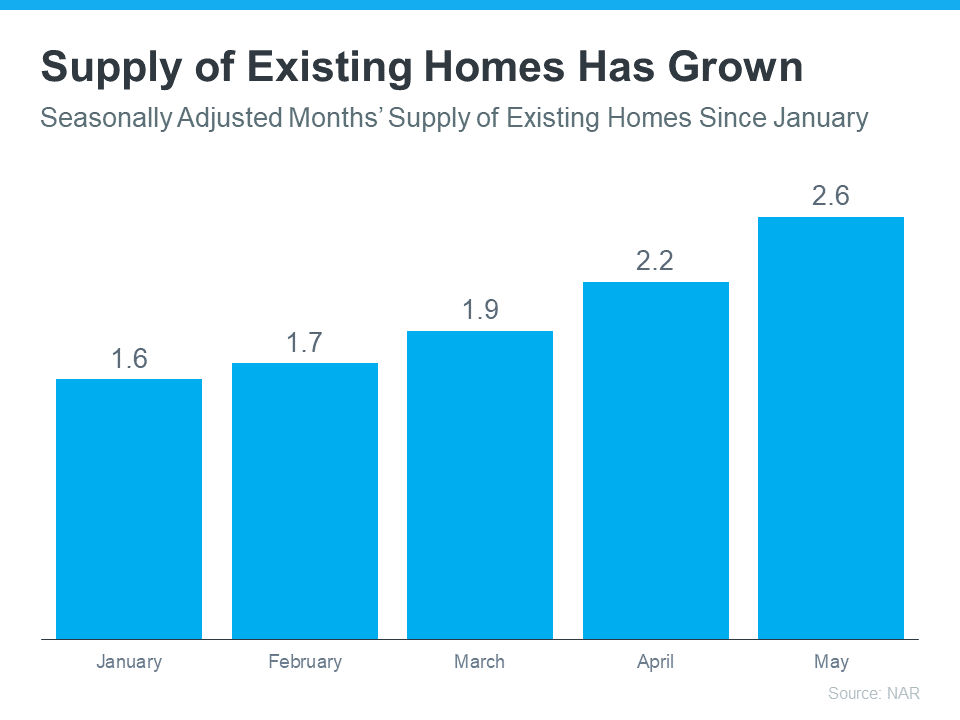
According to the National Association of Realtors (NAR), the supply of existing homes (a home that’s been previously owned) has steadily increased since the beginning of the year. The graph below indicates inventory levels are rising, and that’s largely due to more homes coming onto the market and the pace of sales slowing:

Wondering Where You’ll Move if You Sell Your House Today? | MyKCM

As the graph shows, if you’re looking for a home with lived-in charm, supply is rising, and that’s great news for you.

Danielle Hale, Chief Economist for realtor.com, gives insight into why more homeowners are listing their homes and adding to the growing supply of existing homes today:

“Home sellers in many markets across the country continue to benefit from rising home prices and fast-selling homes. That’s prompted a growing number of homeowners to sell homes this year compared to last, giving home shoppers much needed options. We’ve seen more homes come up for sale this year compared to last year . . .”

There are several benefits to buying an existing home. Many buyers want to purchase a home with history, and the character of older houses is hard to reproduce. Existing homes can often be part of an established neighborhood featuring mature landscaping that can give you additional privacy and boost your curb appeal.

Plus, timing can be a consideration as well. With an existing home, you can move in based on the timeline you agree to with the sellers, rather than building a new home and waiting for construction to finish. This is something to keep in mind, especially if you need to move sooner rather than later.

Just remember, while more sellers are listing their homes, supply is still low overall. That means you’ll have more options to choose from as you search for your next home, but you’ll still need to be prepared for a fast-moving market.

Purchasing a Newly Built or Under Construction Home Means Brand New Everything

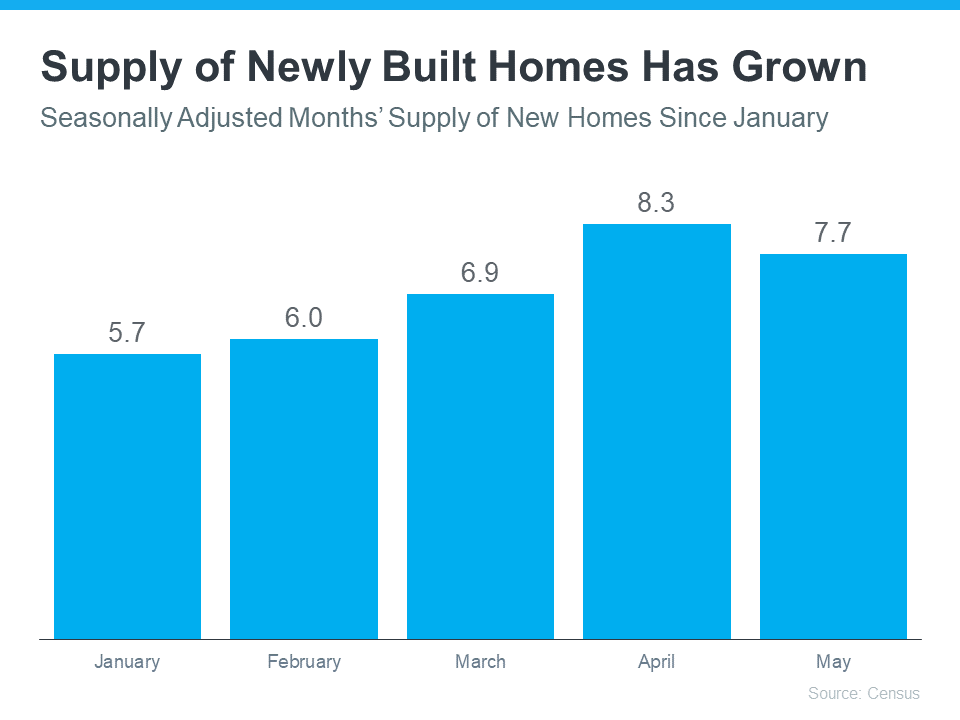
Census data shows there’s an increasing number of new homes available for sale. It includes homes that are under construction, soon to be completed, and fully built. As the graph below highlights, the supply of new homes for sale has also grown this year:

Wondering Where You’ll Move if You Sell Your House Today? | MyKCM

When building a new home, you can create your perfect living space and customize it to your lifestyle. That could mean everything from requesting energy efficient options to specific design features. Plus, you’ll have the benefit of all new appliances, windows, roofing, and more. These can all help lower your energy costs, which can add up to significant savings over time.

The lower maintenance that comes with a newer home is another great advantage. When you have a new home, you likely won’t have as many little repairs to tackle, like leaky faucets, shutters to paint, and other odd jobs around the house. And with new construction, you’ll also have warranty options that may cover portions of your investment for the first few years.

Keep in mind, purchasing a new home could mean waiting a considerable amount of time before you can move. Robert Dietz, Chief Economist and Senior Vice President for Economics and Housing Policy at the National Association of Home Builders (NAHB), explains:

“New single-family home inventory remained elevated at a 7.7 months’ supply. . . . However, only 8.3% of new home inventory is completed and ready to occupy. The remaining have not started construction (25.9%) or are currently under construction.”

That’s an important factor when making your decision and one you should discuss with a trusted real estate advisor. They’ll help you think through all the pros and cons of both new and existing homes to help you arrive at your best decision.

Bottom Line

With the supply of homes for sale rising, you have options for your next home no matter what your preferences are. If you have questions or want help deciding what’s best for you, let’s connect and start the conversation today.

July 18, 2022

A Majority of Consumers Say It's a Good Time To Sell Your House In Connecticut

A Majority of Consumers Say It’s a Good Time To Sell Your House In Connecticut

A Majority of Consumers Say It’s a Good Time To Sell Your House | MyKCM

If you’re a homeowner thinking about selling your house, you’re probably looking for the best time to make your move. That means you’re likely balancing a number of factors, like your changing needs, where you’ll go when you sell, and today’s mortgage rates in order to time it just right.

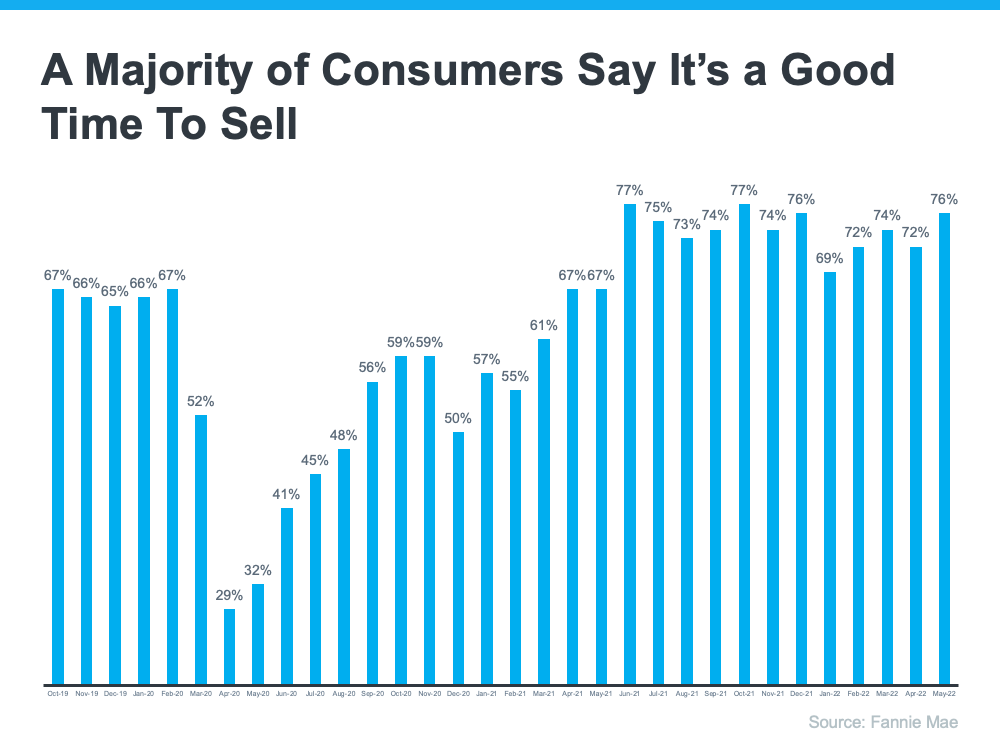
According to recent data, that sweet spot could already be here. The latest Home Purchase Sentiment Index (HPSI) by Fannie Mae finds that 76% of consumers believe now is a good time to sell.

The graph below shows the percentage of survey respondents who say it’s a good time to sell a house. The big dip in March and April of 2020 reflects how consumer sentiment dropped at the beginning of the pandemic as uncertainty about the health crisis grew. Since then, the percentage has grown consistently as more people feel confident it’s a good time to sell.

In fact, survey respondents think it’s an even better time to sell a house today than they did in 2019, which was a strong year for the housing market. The latest survey results indicate one of the strongest peaks in seller sentiment in nearly three years (see graph below):

A Majority of Consumers Say It’s a Good Time To Sell Your House | MyKCM

What Makes Today a Good Time To Sell?

One reason so many people think it’s a good time to sell is because there are still more buyers in today’s market than there are homes for sale. That’s driving home prices up, making it a good time to sell your house.

And if you’re on the fence about whether or not to sell because you don’t know where you’ll go once you do, know that you might have more options today than in previous months. That’s because the number of homes coming onto the market has grown each month since the start of the year. When more homes come onto the market, it gives you more opportunities to find one that meets your changing needs.

Bottom Line

While the number of homes available for sale is growing and giving you more options for your move, inventory is still low overall. That could mean it’s a great time for you to sell. If you’re ready to address your changing needs and take advantage of today’s favorable conditions, let’s connect.

Posted in CT Seller Tips
July 15, 2022

Why Achieving the Dream of Homeownership Can Be More Difficult for Some Americans In Connecticut

Why Achieving the Dream of Homeownership Can Be More Difficult for Some Americans In Connecticut

Why Achieving the Dream of Homeownership Can Be More Difficult for Some Americans | MyKCM

Today we take time to honor and recognize the past and present experiences of Black Americans. When it comes to real estate specifically, equitable access to housing has come a long way, but the path to homeownership is still steeper for households of color.

The Gap in Homeownership Rate in America

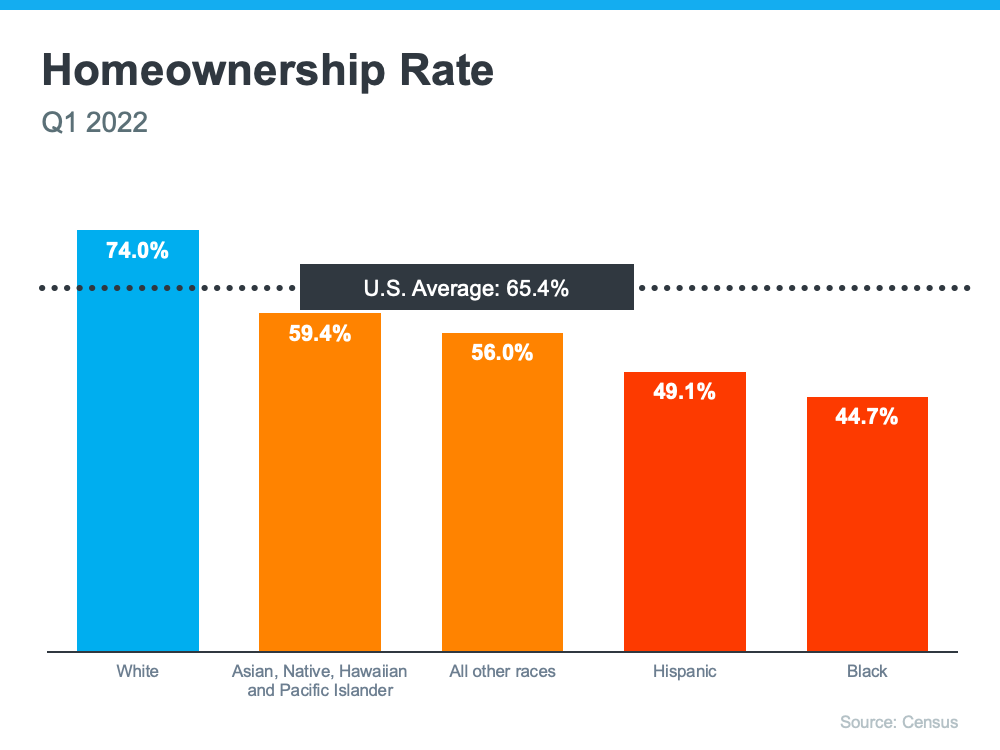
It’s a more challenging journey to achieve homeownership for some buyers, as shown by the measurable gap between the overall average U.S. homeownership rate and that of non-white groups. Today, Census data shows the lowest homeownership rate persists in the Black community (see graph below):

Why Achieving the Dream of Homeownership Can Be More Difficult for Some Americans | MyKCM

This graph clearly indicates there’s a gap that still exists in the percentage of people in each community who are able to achieve homeownership. 

How Homeownership Impacts Household Wealth 

One of the challenges that could make buying a home harder for these groups is how difficult it can be to accumulate wealth. Even today, there are obstacles certain racial and ethnic groups, especially the Black community, still face. A recent article from NextAdvisor explains:

“The median Black household earns 61 cents for every dollar earned by a comparable White household, according to the Economic Policy Institute. This not only makes it more difficult to afford a home, but also to accumulate and pass on generational wealth.”

This can delay or prevent many from achieving homeownership, challenging their ability to grow their net worth and build wealth that can pass down to future generations – a point that’s clear in a 2022 report from the National Association of Realtors (NAR):

Given that homeownership contributes to wealth accumulation and the homeownership rate is lower in minority groups, data shows that the net worth for these groups is also lower. At $188,200, the net worth of a typical white family was nearly 8 times greater than that of a Black family ($24,100) in 2019.”

It’s important to talk about the experience Black homebuyers may have and the challenges they may face as they pursue their dream of homeownership. The inequity that remains in housing can be a point of pain and frustration. That’s why it’s so important for members of diverse groups to have the right team of experts on their sides throughout the homebuying process.

These professionals aren’t only experienced advisors who understand the market and give the best advice. They’re also compassionate allies who will advocate for your best interests every step of the way. They can point you to important resources and tools that can help you throughout your journey to homeownership.

Bottom Line

Opportunities in real estate improve every day, but there are still equity challenges that many face. Let’s connect to make sure you have an advocate on your side to help you achieve your dream of homeownership.

July 14, 2022

Home Price Deceleration Doesn't Mean Home Price Depreciation In Connecticut

Home Price Deceleration Doesn’t Mean Home Price Depreciation In Connecticut

Home Price Deceleration Doesn’t Mean Home Price Depreciation | MyKCM

Experts in the real estate industry use a number of terms when they talk about what's happening with home prices. And some of those words sound a bit similar but mean very different things. To help clarify what's happening with home prices and where experts say they're going, here’s a look at a few terms you may hear:

  • Appreciation is when home prices increase.
  • Depreciation is when home prices decrease.
  • Deceleration is when home prices continue to appreciate, but at a slower pace.

Where Home Prices Have Been in Recent Years

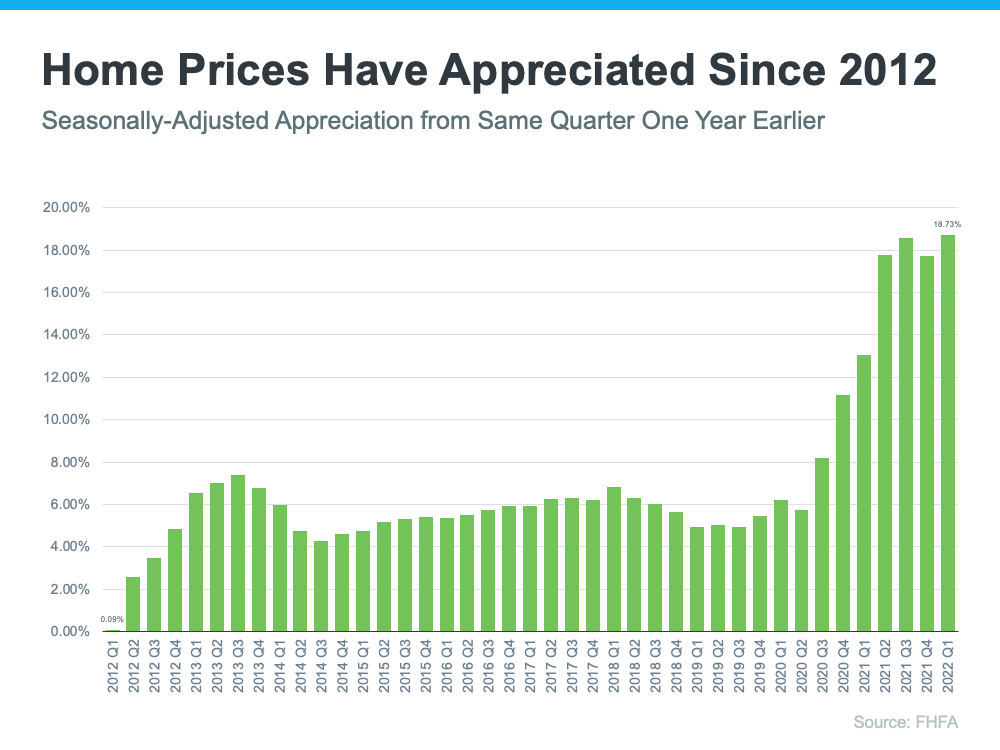
For starters, you’ve probably heard home prices have skyrocketed over the past two years, but homes were actually appreciating long before that. You might be surprised to learn that home prices have climbed for 122 consecutive months (see graph below):

Home Price Deceleration Doesn’t Mean Home Price Depreciation | MyKCM

As the graph shows, houses have gained value consistently over the past 10 consecutive years. But since 2020, the increase has been more dramatic as home price growth accelerated.

So why did home prices climb so much? It’s because there were more buyers than there were homes for sale. That imbalance put upward pressure on home prices because demand was high and supply was low.

Where Experts Say Home Prices Are Going

While this is helpful context, if you’re a buyer or seller in today’s market, you probably want to know what’s going to happen with home prices moving forward. Will they continue that same growth path or will home prices fall?

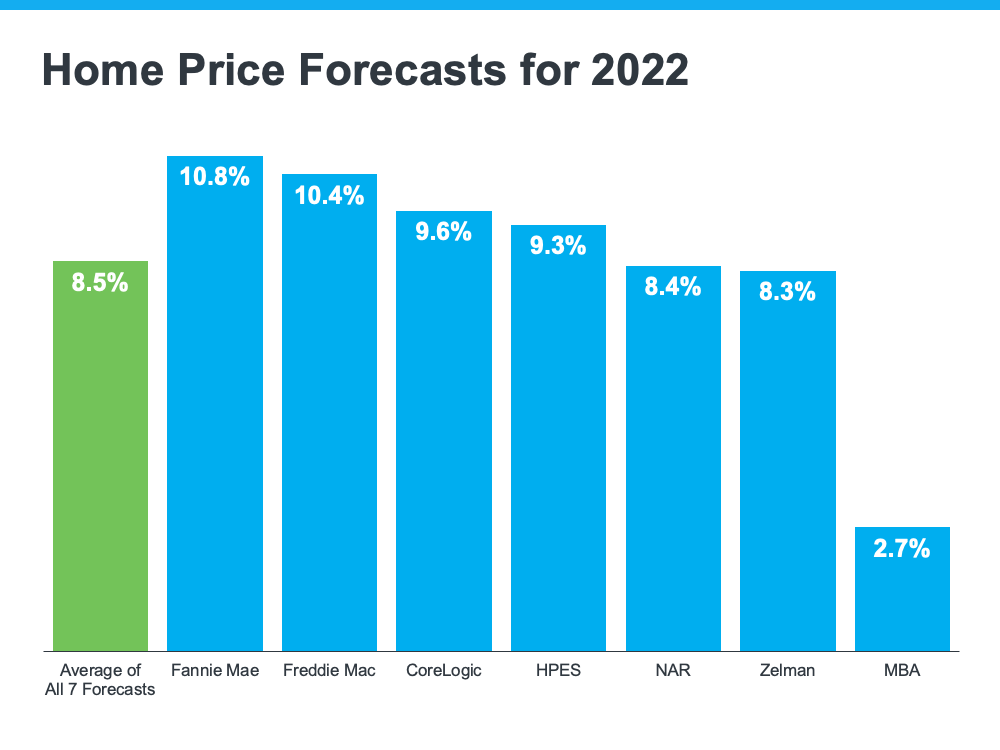
Experts are forecasting ongoing appreciation, just at a decelerated pace. In other words, prices will keep climbing, just not as fast as they have been. The graph below shows home price forecasts from seven industry leaders. None are calling for prices to fall (see graph below):

Home Price Deceleration Doesn’t Mean Home Price Depreciation | MyKCM

Mark Fleming, Chief Economist at First American, identifies a key reason why home prices won’t depreciate or drop:

In today’s housing market, demand for homes continues to outpace supply, which is keeping the pressure on house prices, so don’t expect house prices to decline.”

And although housing supply is starting to tick up, it’s not enough to make home prices decline because there’s still a gap between the number of homes available for sale and the volume of buyers looking to make a purchase.

Terry Loebs, Founder of the research firm Pulsenomics, notes that most real estate experts and economists anticipate home prices will continue rising. As he puts it:

“With home values at record-high levels and a vast majority of experts projecting additional price increases this year and beyond, home prices and expectations remain buoyant.”

Bottom Line

Experts forecast price deceleration, not depreciation. That means home prices will continue to rise, just at a slower pace. Let’s connect so you can get the full picture of what’s happening with home prices in our local market and to discuss your buying and selling goals.

July 13, 2022

What is a Kick-Out Clause In Connecticut

What is a Kick-Out Clause In Connecticut

As the seller's market continues to thrive across the country, sellers are wondering how to choose the right offer. The frantic pace of the real estate market has resulted in mult offers on desirable properties. While this may seem like a great problem for sellers to face, how do they know that the buyer they choose can close on the home? Many times, sellers make quick decisions and hope for the best, even as home prices continue to climb.

This is where a kick-out clause can help.

A kick-out clause allows a seller to continue to market the home for sale after accepting a buyer's offer with contingencies. It also outlines the conditions under which a seller can cancel, or kick-out, the contract if they get a better offer.

Most real estate contracts include contingencies. Most common include loan approval, appraisal and home inspection. Often buyers will also include a contingency to sell their current home. A kick-out clause protects the seller from an escrow that drags on past the agreed-upon time frames. For example, if a buyer is unable to sell their home or home inspection negotiations continue past the time frames agreed to in the contract, a seller can use the kick-out clause to force the buyer to remove the contingency or cancel the contract.

Once escrow is opened, tpically both parties must agree to close the process. This can cause delays that cost the seller both time and money. A kick-out clause is one way to ensure the escrow closes on time, and that there are back-up offers ready to go if it doesn't.

July 12, 2022

Is the Housing Market Correcting In Conecticut

Is the Housing Market Correcting In Connecticut? 

Is the Housing Market Correcting? | MyKCM

If you're following the news, all of the headlines about conditions in the current housing market may leave you with more questions than answers. Is the boom over? Is the market crashing or correcting? Here’s what you need to know.

The housing market is moderating compared to the last two years, but what everyone needs to remember is that the past two years were record-breaking in nearly every way. Record-low mortgage rates and millennials reaching peak homebuying years led to an influx of buyer demand. At the same time, there weren’t enough homes available to purchase thanks to many years of underbuilding and sellers who held off on listing their homes due to the health crisis.

This combination led to record-high demand and record-low supply, and that wasn’t going to be sustainable for the long term. The latest data shows early signs of a shift back to the market pace seen in the years leading up to the pandemic – not a crash nor a correction. As realtor.com says:

The housing market is at a turning point. . . . We’re starting to see signs of a new direction, . . .”

Home Showings Then and Now

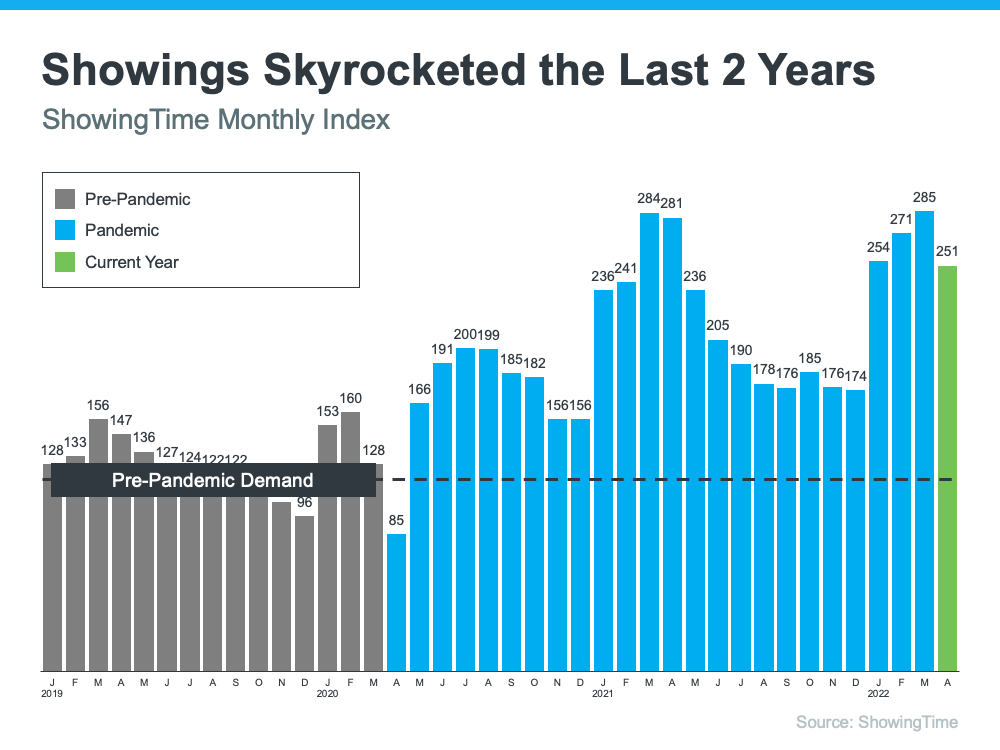
The ShowingTime Showing Index tracks the traffic of home showings according to agents and brokers. It’s a good indication of buyer demand. Here’s a look at that data going back to 2019 (see graph below):

Is the Housing Market Correcting? | MyKCM

The 2019 numbers give a good baseline of pre-pandemic demand (shown in gray). As the graph indicates, home showings skyrocketed during the pandemic (shown in blue). And while current buyer demand has begun to moderate slightly based on the latest data (shown in green), showings are still above 2019 levels.

And since 2019 was such a strong year for the housing market, this helps show that the market isn’t crashing – it’s just at a turning point that’s moving back toward more pre-pandemic levels.

Existing Home Sales Then and Now

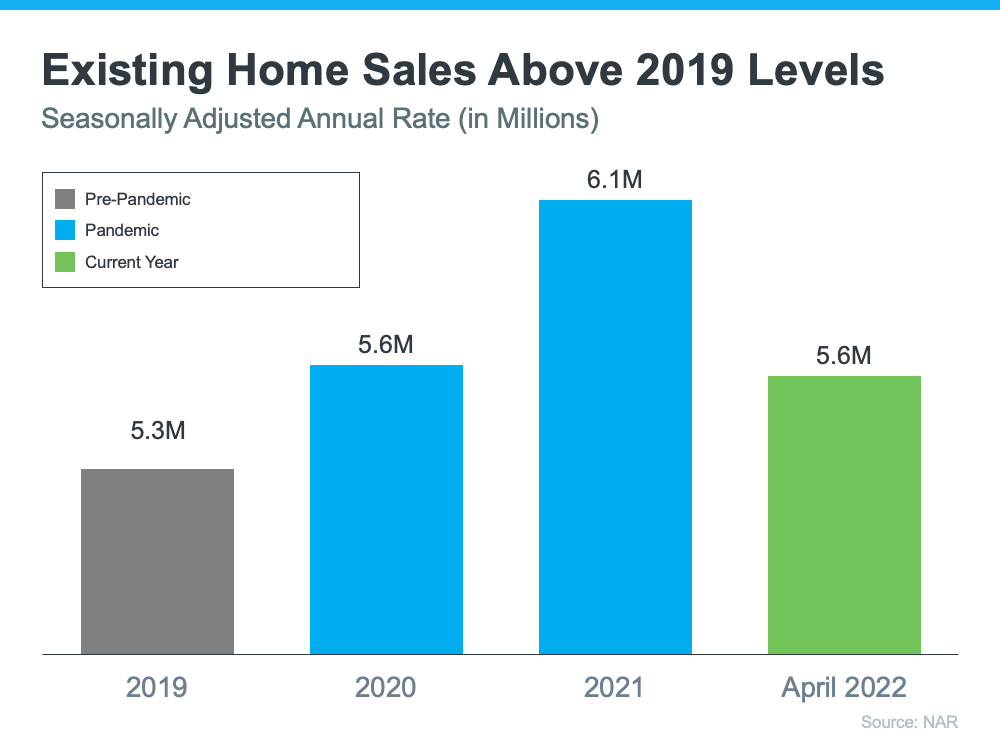
Headlines are also talking about how existing home sales are declining, but perspective matters. Here’s a look at existing home sales going all the way back to 2019 using data from the National Association of Realtors (NAR) (see graph below):

Is the Housing Market Correcting? | MyKCM

Again, a similar story emerges. The pandemic numbers (shown in blue) beat the more typical year of 2019 home sales (shown in gray). And according to the latest projections for 2022 (shown in green), the market is on pace to close this year with more home sales than 2019 as well.

It’s important to compare today not to the abnormal pandemic years, but to the most recent normal year to show the current housing market is still strong. First American sums it up like this:

“. . . today’s housing market looks a lot like the 2019 housing market, which was the strongest housing market in a decade at the time.”

Bottom Line

If recent headlines are generating any concerns, look at a more typical year for perspective. The current market is not a crash or correction. It’s just a turning point toward more typical, pre-pandemic levels. Let’s connect if you have any questions about our local market and what it means for you when you buy or sell this year.