Nov. 29, 2021

4 Things Every Renter Needs To Consider In Connecticut

4 Things Every Renter Needs To Consider In Connecticut

4 Things Every Renter Needs To Consider | MyKCM

As a renter, you’re constantly faced with the same dilemma: keep renting for another year or purchase a home? Your answer depends on your current situation and future plans, but there are a number of benefits to homeownership every renter needs to consider.

Here are a few things you should think about before you settle on renting for another year.

1. Rents Are Rising Quickly

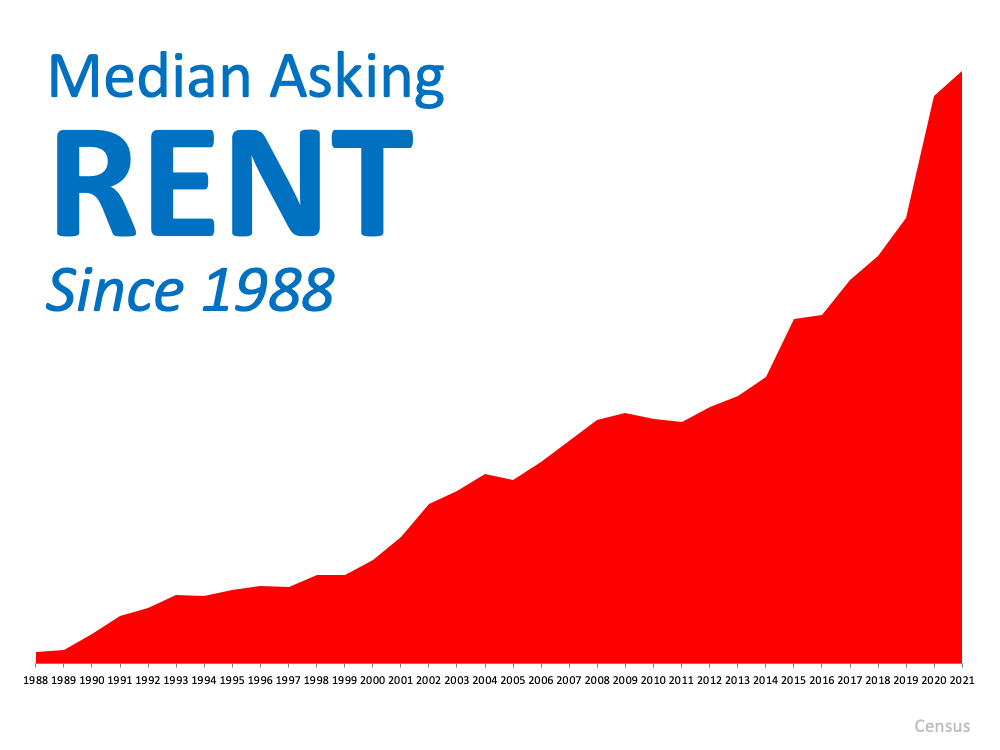
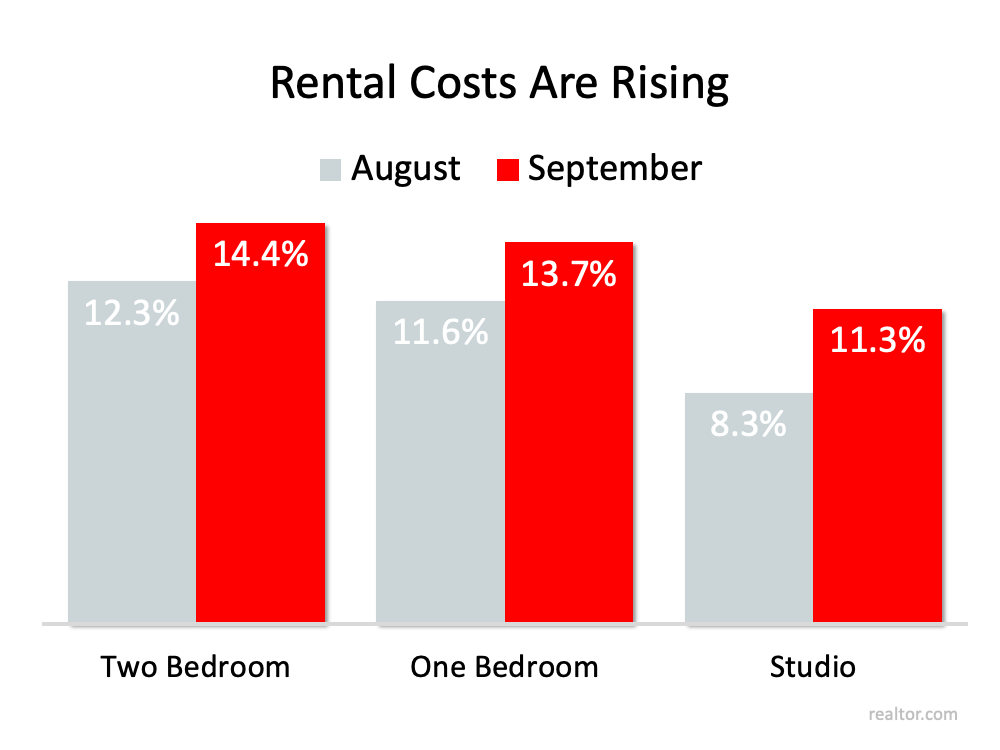
Rent increasing each year isn’t new. Looking back at Census data confirms rental prices have gone up consistently for decades (see graph below):4 Things Every Renter Needs To Consider | MyKCMIf you’re a renter, you’re faced with payments that continue to climb each year. Realtor.com recently shared the September Rental Report, and it shows price increases accelerating from August to September (see graph below):4 Things Every Renter Needs To Consider | MyKCMAs the graph shows, rents are still on the rise. It’s important to keep this in mind when the time comes for you to sign a new lease, as your monthly rental payment may increase substantially when you do.
2. Renters Miss Out on Equity Gains

One of the most significant advantages of buying a home is the wealth you build through equity. This year alone, homeowners gained a substantial amount of equity, which, in turn, grew their net worth. As a renter, you miss out on this wealth-building tool that can be used to fund your retirement, buy a bigger home, downsize, or even achieve personal goals like paying for an education or starting a new business.

3. Homeowners Can Customize to Their Heart’s Content

This is a big decision-making point if you want to be able to paint, renovate, and make home upgrades. In many cases, your property owner determines these selections and prefers you don’t alter them as a renter. As a homeowner, you have the freedom to decorate and personalize your home to truly make it your own.

4. Owning a Home May Provide Greater Mobility than You Think

You may choose to rent because you feel it provides greater flexibility if you need to move for any reason. While it’s true that selling a home may take more time than finding a new rental, it’s important to note how quickly houses are selling in today’s market. According to the National Association of Realtors (NAR), the average home is only on the market for 17 days. That means you may have more flexibility than you think if you need to relocate as a homeowner.

Bottom Line

Deciding if it’s the right time for you to buy is a personal decision, and the timing is different for everyone. However, if you’d like to learn more about the benefits of homeownership, let’s connect so you can make a confident, informed decision and have a trusted advisor along the way.

Nov. 26, 2021

Real Estate: It's Still a Lack of Supply, Not a Lack of Demand In CT

Real Estate: It’s Still a Lack of Supply, Not a Lack of Demand In CT

Real Estate: It’s Still a Lack of Supply, Not a Lack of Demand | MyKCM

One of the major questions real estate experts are asking today is whether prospective homebuyers still believe purchasing a home makes sense. Some claim rapidly rising home prices are impacting demand and, by extension, leading to the recent slowdown in sales activity.

However, demand isn’t the real issue. Instead, it’s the lack of supply (homes available for sale). An article from the Wall Street Journal shows this is true for new home construction:

Home builders have sold more homes than they can build. Now they are limiting their sales in an effort to catch up.”

The article quotes David Auld, CEO of D.R. Horton Inc. (the largest homebuilder by volume in the United States since 2002), explaining how they don’t have enough homes for the number of buyers coming into their models:

“Through our history, to have somebody walk into our models and to tell them, ‘We don’t have a house for you to buy today’, is something that is foreign to us.”

Danielle Hale, Chief Economist for realtor.com, also explains that, in the existing home sale market, the slowdown in sales was a supply challenge, not a lack of demand. Responding to a recent uptick in listings coming to market, she notes:

“. . . if these changing inventory dynamics continue, we could see a wave of real estate activity heading into the latter part of the year.”

Again, the buyers are there. We just need houses to sell to them.

If the slowdown in sales was the result of demand waning, we would start to see home prices beginning to moderate – but this isn’t the case. As Mark Fleming, Chief Economist for First Americanexplains:

“There’s a lot of conversation around rising prices and falling quantity in the housing market, and there’s this concept, or this idea, that it's a demand-side problem . . . . But, if demand were falling dramatically, we would actually see less price pressure, less home price growth.”

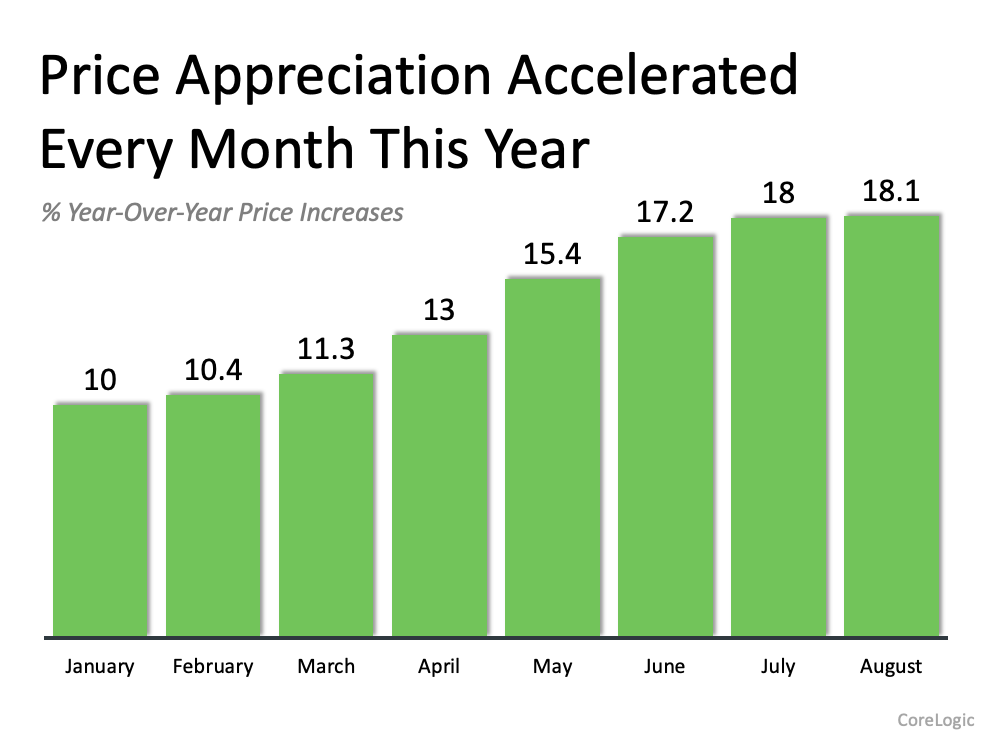
Instead, we’re seeing price appreciation accelerate throughout this year, as evidenced by the year-over-year percentage increases reported by CoreLogic:

  • January: 10%
  • February: 10.4%
  • March: 11.3%
  • April: 13%
  • May: 15.4%
  • June: 17.2%

(July numbers are not yet available)

There’s a shortage of listings, not buyers, and there are three very good reasons for purchasers to still be interested in buying a home this year.

1. Affordability isn’t the challenge some are claiming it to be.

Though home prices have risen dramatically over the last 18 months, mortgage rates remain near historic lows. Because of these near-record rates, monthly mortgage payments are affordable for most buyers.

While homes are less affordable than they were last year, when we adjust for inflation, we can see they’re also more affordable than they were in the 1970s, 1980s, 1990s, and much of the 2000s.

2. Owning is a better long-term decision than renting.

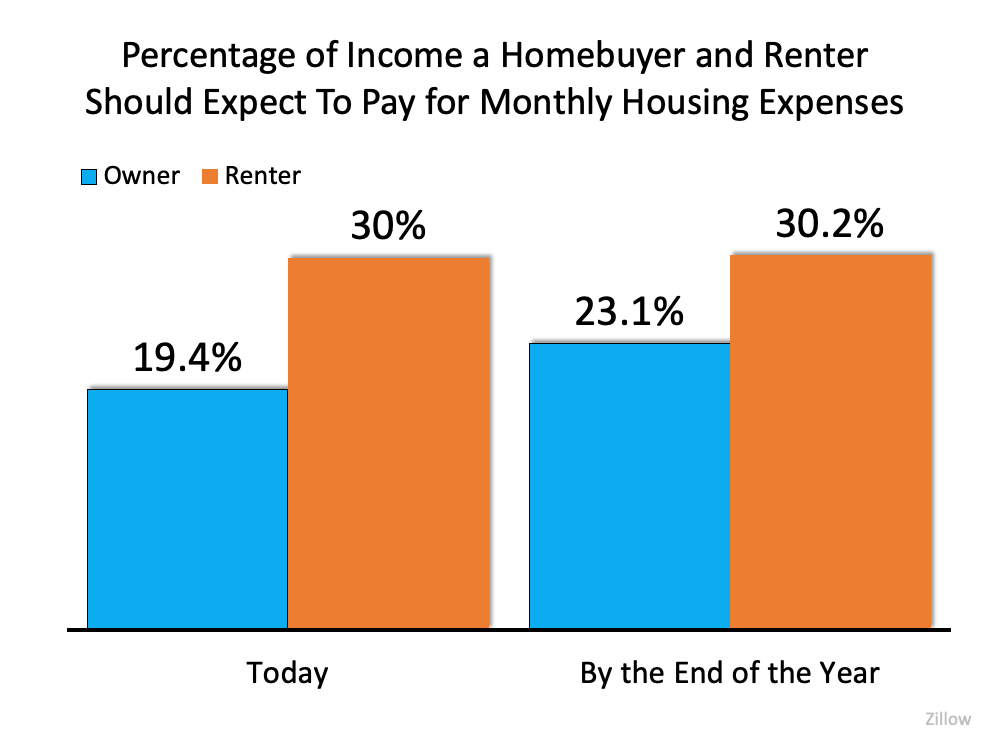
recent study shows renting a home takes up a higher percentage of a household’s income than owning one. According to the analysis, here’s the percentage of income homebuyers and renters should expect to pay now versus at the end of the year.Real Estate: It’s Still a Lack of Supply, Not a Lack of Demand | MyKCMWhile the principal and interest of a monthly mortgage payment remain the same over the lifetime of the loan, rents increase almost every year.

3. Owners build their wealth. Renters build their landlord’s wealth.

Whether you’re a homeowner or an investor, real estate builds wealth through growing equity year-over-year. If you own, your household is gaining the benefit of that wealth accumulation. Fleming says:

The major financial advantage of homeownership is the accumulation of equity in the form of house price appreciation . . . . We have to take into account the fact that the shelter that you’re owning is an equity-generating or wealth-generating asset.”

Odeta Kushi, Deputy Chief Economist at First American, elaborates in a recent article:

“. . . once the home is purchased, appreciation helps build equity in the home, and becomes a benefit rather than a cost. When accounting for the appreciation benefit in our rent versus own analysis, it was cheaper to own in every one of the top 50 markets, including the two most expensive rental markets, San Francisco and San Jose, Calif.”

Today, that equity buildup is substantial. The National Association of Realtors (NAR) reports:

“The median sales price of single-family existing homes rose in 99% of measured metro areas in the second quarter of 2021 compared to one year ago, with double-digit price gains in 94% of markets.”

In 94% of markets, there was a greater than 10% increase in median price. That means if you bought a $400,000 home in one of those markets, your net worth increased by at least $40,000. If you rented, the landlord was the recipient of the wealth increase.

Bottom Line

For many reasons, housing demand is still extremely strong. What we need is more supply (house listings) to meet that demand.

Posted in Events
Nov. 25, 2021

What's Happening With Home Prices In Connecticut

What’s Happening with Home Prices In Connecticut

What’s Happening with Home Prices? | MyKCM

Many people have questions about home prices right now. How much have prices risen over the past 12 months? What’s happening with home values right now? What’s projected for next year? Here’s a look at the answers to all three of these questions.

How much have home values appreciated over the last 12 months?

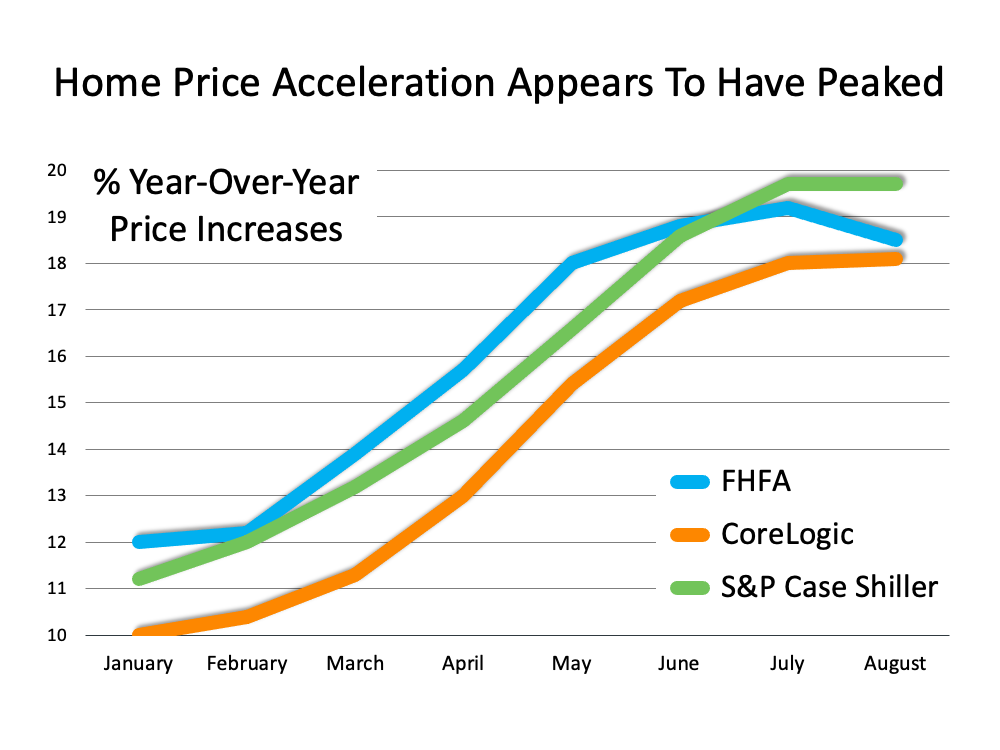
According to the latest Home Price Index from CoreLogic, home values have increased by 18.1% compared to this time last year. Additionally, prices have gone up at an accelerated pace for each of the last eight months (see graph below):What’s Happening with Home Prices? | MyKCMThe increase in the rate of appreciation that’s shown by CoreLogic coincides with data from the other two main home price indices: the FHFA Home Price Index and the S&P Case Shiller Index.

The last year has shown tremendous home price appreciation, which is resulting in a major gain in wealth for homeowners through rising equity.

What’s happening with home prices right now?

All three indices mentioned above also show that while appreciation is in the high double digits right now, that price acceleration is beginning to level off (see graph below):What’s Happening with Home Prices? | MyKCMYear-over-year appreciation is still close to 20%, but it’s clearly plateauing at that rate. Many experts believe it will drop below 15% by the end of the year.

Keep in mind, that doesn’t mean home values will depreciate. It means the rate of appreciation will slow, yet stay well above the 25-year average of 5.1%.

What about next year?

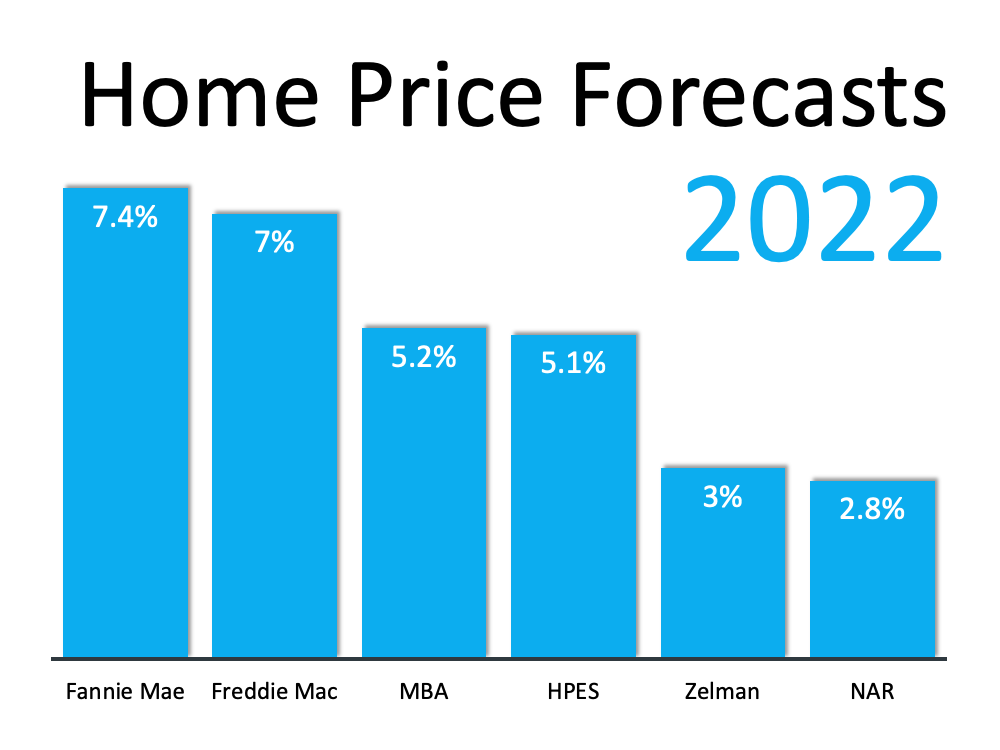
The recent surge in prices is the result of heavy buyer demand and a shortage of homes available for sale. Most experts believe that as more housing inventory comes to market (both new construction and existing homes), the supply and demand for housing will come more into balance. That balance will bring a lower rate of appreciation in 2022. Here’s a look at home price forecasts from six major entities, and they all project future appreciation:

  1. Fannie Mae
  2. Freddie Mac
  3. Mortgage Bankers Association
  4. Home Price Expectation Survey
  5. Zelman & Associates
  6. National Association of Realtors

What’s Happening with Home Prices? | MyKCMWhile the projected rate of appreciation varies among the experts, due to things like supply chain challenges, virus variants, and more, it’s clear that home values will continue to appreciate next year.

Bottom Line

There have been historic levels of home price appreciation over the last year. That pace will slow as we finish 2021 and enter into 2022. Prices will still rise in value, just at a much more moderate pace, which is good news for the housing market.

Nov. 24, 2021

How Sellers Win When Housing Inventory In Connecticut

How Sellers Win When Housing Inventory Is Low In Connecticut

How Sellers Win When Housing Inventory Is Low | MyKCM

In today’s housing market, the number of homes for sale is much lower than the strong buyer demand. As a result, homeowners ready to sell have a significant advantage. Here are three ways today’s low inventory will set you up for a win when you sell this season.

1. Higher Prices

With so many more buyers in the market than homes available for sale, homebuyers are frequently getting into bidding wars for the houses they want to purchase. According to the latest data from the National Association of Realtors (NAR), homes are receiving an average of 3.7 offers in today’s market. This buyer competition drives home prices up. As a seller, this certainly works to your advantage, potentially netting you more for your house when you close the deal.

2. Greater Return on Your Investment

Rising prices mean homes are also gaining value, which increases the equity you have in your home. In the latest Homeowner Equity Insights ReportCoreLogic explains:

“In the second quarter of 2021, the average homeowner gained approximately $51,500 in equity during the past year.”

This year-over-year growth in equity gives you the ability to sell your house and then put that money toward a down payment on your next home, or to keep it as extra savings.

3. Better Terms

In a sellers’ market like we have today, you’re in the driver’s seat if you make a move. You have the power to sell on your terms, and buyers are more likely to work with you if it means they can finally land their dream home.

So, is low housing inventory a big deal?

Yes, especially if you want to sell on your terms. Moving now while inventory is so low is key to maximizing your opportunities.

Bottom Line

If you’re interested in taking advantage of the current sellers’ market, let’s connect today to determine your best move.

Nov. 22, 2021

Home Improvements During Labor Shortage In Connecticut

Home Improvements During Labor Shortage In Connecticut


Tight labor markets are affecting industries across the country. Skilled and unskilled jobs remain unfilled as employers struggle to find prospective employees. For anyone ready to hire a contractor or handyman to perform home improvement projects, this shortage is causing frustration. As more people embrace the "staycation" and seek ways to upgrade their homes, many are finding few tradesmen to even come to provide estimates much less schedule the work.


If you are trying to find good people to help with home improvement projects, there are still a few ways to acheive your goals Here are a few tips to help you find a professional to help with your project.


  • Social Media - One great way to find reputable laborers is to ask for help from local social media groups. Apps like Facebook and Next Door have local groups where you can ask for help. Make sure to mention where you got the referral; the tradesmen will want to live up to the referral and are more likey to provide good, timely service.


  • Big Box Stores - Home improvement stores like Lowes and Home Depot offer a wide variety of in-home services. They also have referral services for projects outside their scope and these contractors keep the stores happy by providing good service to homeowners.


  • Online Service - There are sites like Angie's List and Home Advisor where professionals pay for leads. Because they have paid for the contact they tend to be more likely to follow through on the project.

The labor shortage is affecting all aspects of the life right now, If you have a home improvement or upgrade project, there is no reason to put off the work. Try these tips for finding qualified and vetted help.

Nov. 19, 2021

Two Graphs That Show Why You Shouldn't Be Upset About 3% Mortgage Rates In Connecticut

Two Graphs That Show Why You Shouldn’t Be Upset About 3% Mortgage Rates In Connecticut

Two Graphs That Show Why You Shouldn’t Be Upset About 3% Mortgage Rates | MyKCM

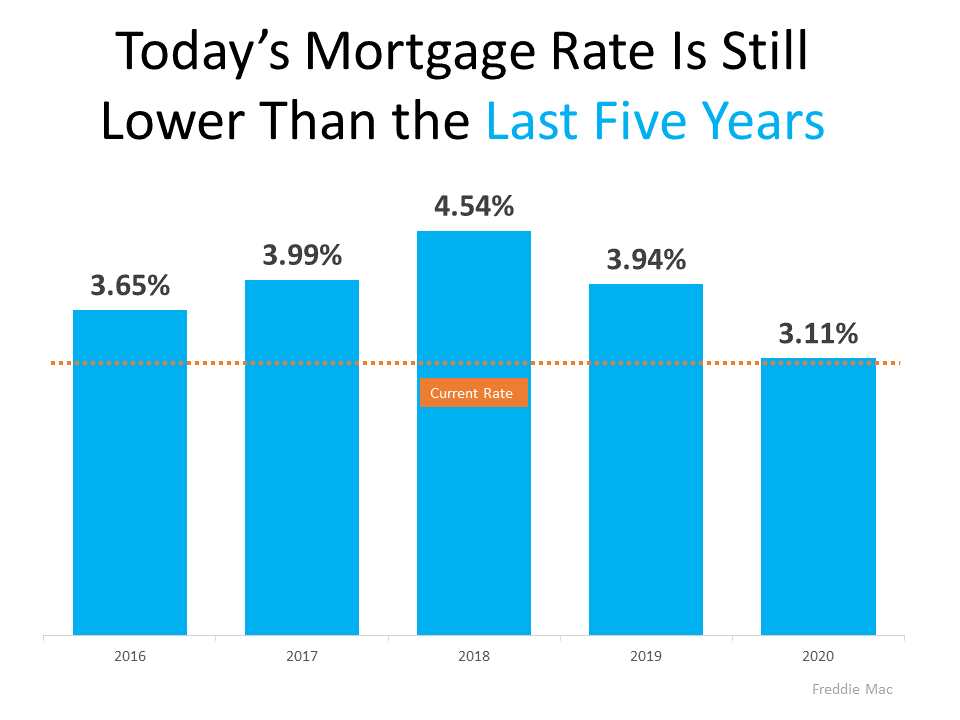
With the average 30-year fixed mortgage rate from Freddie Mac climbing above 3%, rising rates are one of the topics dominating the discussion in the housing market today. And since experts project rates will rise further in the coming months, that conversation isn’t going away any time soon.

But as a homebuyer, what do rates above 3% really mean?

Today’s Average Mortgage Rate Still Presents Buyers with a Great Opportunity

Buyers don’t want mortgage rates to rise, as any upward movement increases your monthly mortgage payment. But it’s important to put today’s average mortgage rate into perspective. The graph below shows today’s rate in comparison to average rates over the last five years:Two Graphs That Show Why You Shouldn’t Be Upset About 3% Mortgage Rates | MyKCMAs the graph shows, even though today’s rate is above 3%, it’s still incredibly competitive.

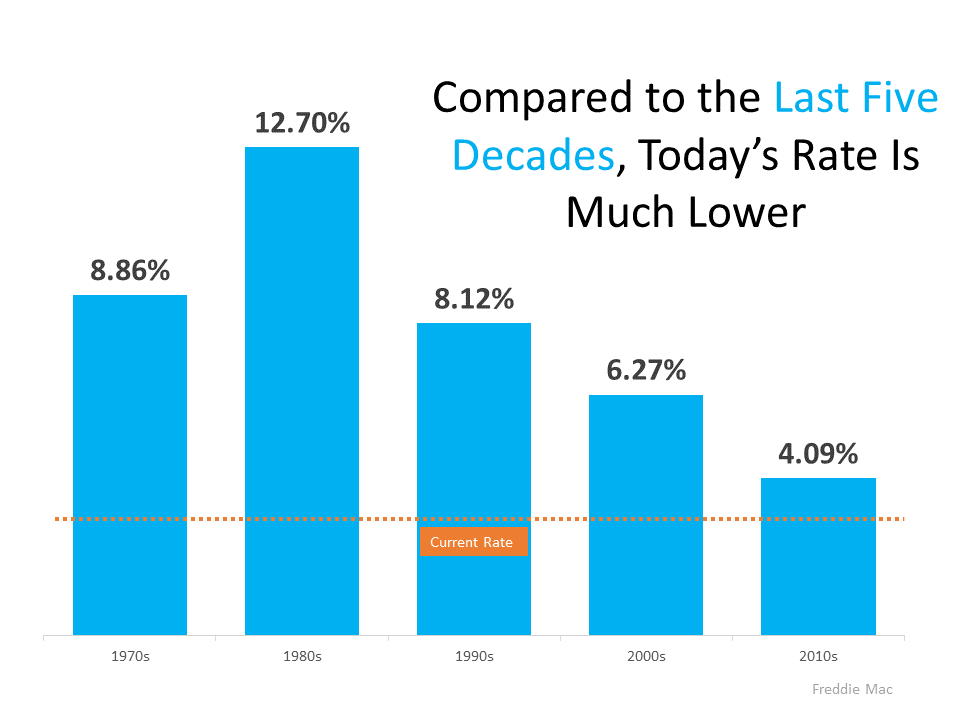
But today’s rate isn’t just low when compared to the most recent years. To truly put today into perspective, let’s look at the last 50 years (see graph below):Two Graphs That Show Why You Shouldn’t Be Upset About 3% Mortgage Rates | MyKCMWhen we look back even further, we can see that today’s rate is truly outstanding by comparison.

What Does That Mean for You?

Being upset that you missed out on sub-3% mortgage rates is understandable. But it’s important to realize, buying now still makes sense as experts project rates will continue to rise. And as rates rise, it will cost more to purchase a home.

As Mark Fleming, Chief Economist at First Americanexplains:

“Rising mortgage rates, all else equal, will diminish house-buying power, meaning it will cost more per month for a borrower to buy ‘their same home.’”

In other words, the longer you wait, the more it will cost you.

Bottom Line

While it’s true today’s average mortgage rate is higher than just a few months ago, 3% mortgage rates shouldn’t deter you from your homebuying goals. Historically, today’s rate is still low. And since rates are expected to continue rising, buying now could save you money in the long run. Let’s connect so you can lock in a great rate now.

Nov. 18, 2021

What Does Pending Sale Mean In Connecticut

What Does Pending Sale Mean In Connecticut?


Buying a home is a process. Once a buyer writes an offer and has it accepted, the listing is a placed in a state called "pending sale" During this stage, the principals involved perform all the elements of the contract, and once complete, the title is transferred to the new owner. 


Sounds simple, but this stage can become incredibly stressful if the contract milestones are not met on time, or if problems are uncovered. Typically, a home sale outlines the term for escrow of 30-60 days. During this time, inspections are completed and reviewed, the appraisal is ordered, and final loan approval is obtained. If there are no delays, the escrow will close on time and the buyer gets the keys to their new home.


Unfortunately, there are often delays in this process, which can cause the sale to drag on. Some common hiccups include negotiated reparis, financing or credit issues, appraisal problems, missing paperwork, and title issues.


At times, delays become excessive and either buyer or seller may be ready to move on. All contracts have milestones and benchmarks which outline by what date each step in the process must be completed. When these dates are passed, then the other party can make a demand to perform or close escrow. Working with an experienced real estate agent can help ensure you are protected from unnecessary delays during the pending sale.       

Nov. 17, 2021

Is It Time to Replace Your Roof In Connecticut

Is It Time to Replace Your Roof In Connecticut?


Owning a home may feel like a never-ending list of to-dos. It can feel like all you do is clean and maintain your house and yard. There is a lot of truth to this, but homeownership is one of the best to increase wealth, so maintaining your investment is critical to your financial well-being.


Surprisingly, the roof is one of the most overlooked maintenance items of the home. Set above normally eye level, often the first sign of a problem with the roof is a major leak. Before this happens to you, take a proactive look at these signs it's time to replace your roof and aviod more expensive damage later.


  • Check accessible areas for signs of water damage, such as the attic. Additionally, look for evidence of gaps by noticting if there is a daylight showing through the roof.


  • Check for signs of wood rot in the attic and the eaves around the house. Water leaks can be small, but when constant constant seepage encounters wood, it can cause problem.


  • Moss is another sign that moisture may be spreading. If there is moss on the roof or shingles, it means water is gathering and should be addressed.


  • Replace missing or damaged shingles immediately. The roofing professional will also check to ensure the timbers beneath them are still dry and soild.


  • Flashing seals, the seams between the roof and the home. Flashing can come loose over the years and must be maintained and reviewed periodically.


Finally, the age of the roof may indicate that's time to repair or replace it. With proper maintenance, a roof may last 30 years of longer but even those under 20 years may have damage. Consult with a roofing expert as part of your regular maintenance routine to aviod expensive issues in the future. 

Nov. 16, 2021

Homebuyer Compromises In Connecticut

Homebuyer Compromises In Connecticut

First-time homebuyers are struggling to find affordable housing. Unlike recent years when inventory was high finding a great home was easier, now buyers arefaced with either postponing homeownership or making compromises. It may feel hard to compromise, but it's important to remember that this is your first home, not your dream home.

If you are faced with making decisions about what to give up when buying a home, here are 3 compromises that make sense and 6 things not to.

3 Compromises

1. Yard Size - Outdoor space is wonderful, but if price is an issue, find a home close to park or other common area.

2. Turnkey Design - Paint, fading carpet and other cosmetic issues can be addressed over time.

3. Extra Living Space - Consider carefully if you need the extra bedroom or great-room living space and compromise where you can.

6 Things You Never Compromise

1. Location - Real estate is always about the location; a smaller home in a great area will hold value.

2. Parking - Always  make sure you have access to adequate parking for your needs,

3. School District - Regardless of whether you have children future buyers will care about schools.

4. Commute - Quality of life is very important. Don't cut into family time with a long commute.

5. Building Quality - Good bones make a difference; cosmetic issues can be changed.

6. Safety - Never compromise on safety.

Buying a first home can bring compromises. Before shopping, consider where you can make compromises so that you are able to start building your financial future with homeownership.

Nov. 15, 2021

Why a Wave of Foreclosure Is Not on the Way In Connecticut

Why a Wave of Foreclosures Is Not on the Way In Connecticut

Why a Wave of Foreclosures Is Not on the Way | MyKCM

With forbearance plans coming to an end, many are concerned the housing market will experience a wave of foreclosures similar to what happened after the housing bubble 15 years ago. Here are a few reasons why that won’t happen.

There are fewer homeowners in trouble this time

After the last housing crash, about 9.3 million households lost their homes to a foreclosure, short sale, or because they simply gave it back to the bank.

As stay-at-home orders were issued early last year, the fear was the pandemic would impact the housing industry in a similar way. Many projected up to 30% of all mortgage holders would enter the forbearance program. In reality, only 8.5% actually did, and that number is now down to 2.2%.

As of last Friday, the total number of mortgages still in forbearance stood at  1,221,000. That’s far fewer than the 9.3 million households that lost their homes just over a decade ago.

Most of the mortgages in forbearance have enough equity to sell their homes

Due to rapidly rising home prices over the last two years, of the 1.22 million homeowners currently in forbearance, 93% have at least 10% equity in their homes. This 10% equity is important because it enables homeowners to sell their homes and pay the related expenses instead of facing the hit on their credit that a foreclosure or short sale would create.

The remaining 7% might not have the option to sell, but if the entire 7% of those 1.22 million homes went into foreclosure, that would total about 85,400 mortgages. To give that number context, here are the annual foreclosure numbers for the three years leading up to the pandemic:

  • 2017: 314,220
  • 2018: 279,040
  • 2019: 277,520

The probable number of foreclosures coming out of the forbearance program is nowhere near the number of foreclosures that impacted the housing crash 15 years ago. It’s actually less than one-third of any of the three years prior to the pandemic.

The current market can absorb listings coming to the market

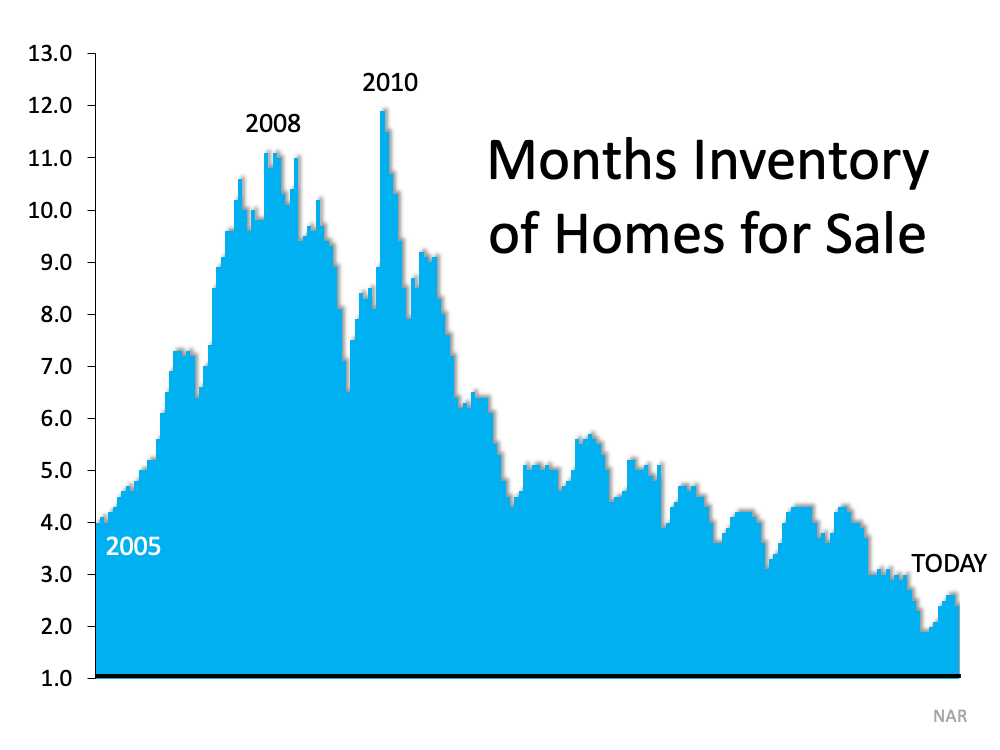
When foreclosures hit the market back in 2008, there was an oversupply of houses for sale. It’s exactly the opposite today. In 2008, there was over a nine-month supply of listings on the market. Today, that number is less than a three-month supply. Here’s a graph showing the difference between the two markets.Why a Wave of Foreclosures Is Not on the Way | MyKCM

Bottom Line

The data indicates why Ivy Zelman, founder of the major housing market analytical firm Zelman and Associates, was on point when she stated:

“The likelihood of us having a foreclosure crisis again is about zero percent.”

Posted in Events